

The 4-8-10 rule is a helpful guideline used in cosmetic dentistry to determine how many veneers are ideal for achieving a natural-looking smile. It focuses on aesthetic balance and harmony by addressing the teeth that are most visible when you smile.
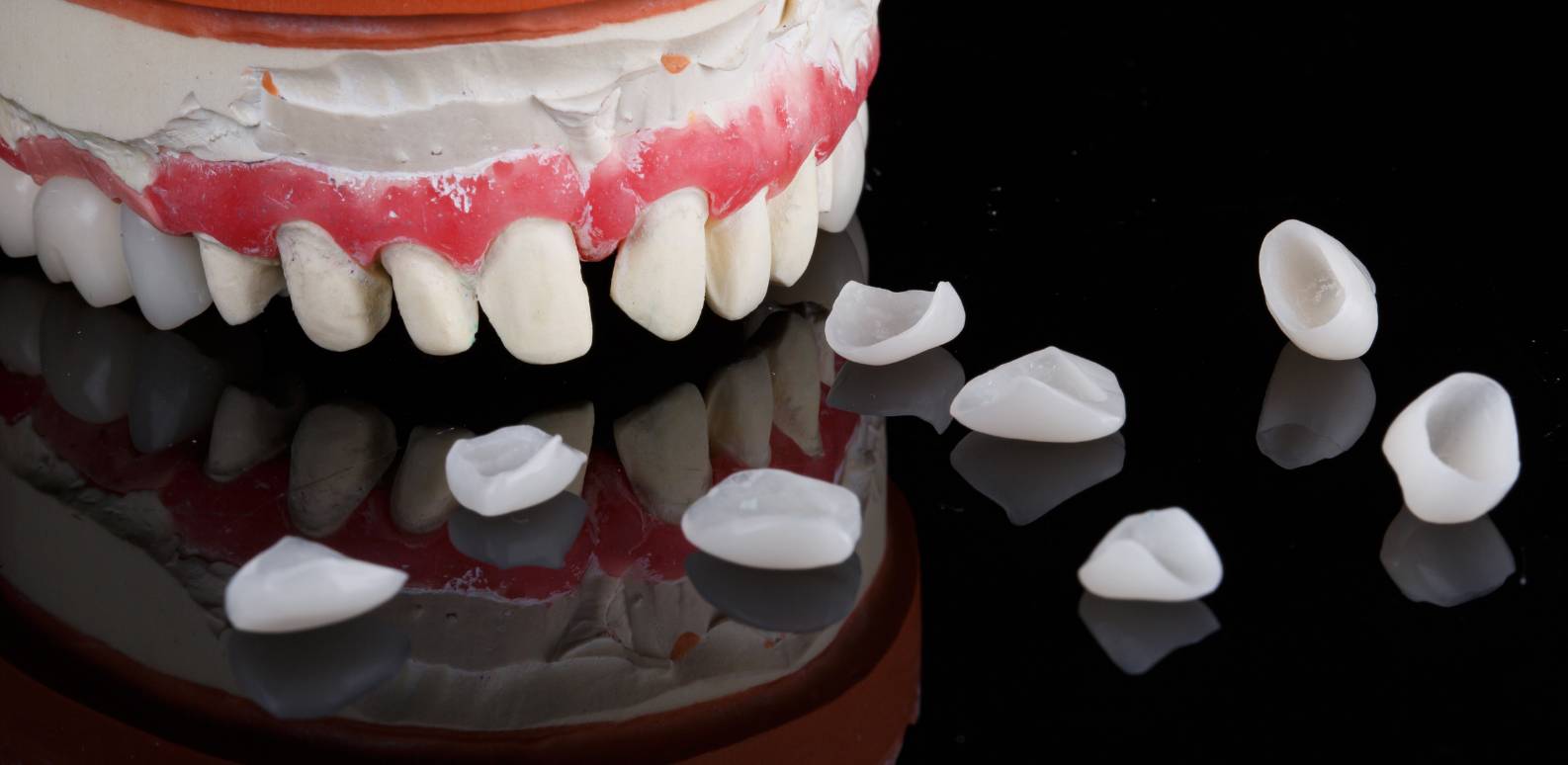
Here’s how the rule works:
4 Veneers: This option typically includes the two central incisors and the two lateral incisors. It’s usually chosen for minor cosmetic adjustments or when only the front teeth need correction. However, it may not create a completely uniform smile, especially if the canines are discolored or shaped differently.
8 Veneers: A more comprehensive solution, 8 veneers cover the central incisors, lateral incisors, and canines. This option is ideal for most patients because it addresses the full front row of visible teeth and helps achieve better symmetry and color consistency.
10 Veneers: This approach adds the first premolars to the 8-veneer set. It is the most complete option and is especially recommended for patients with wide smiles. It ensures that even the side teeth, which become visible during a big smile or laugh, match the overall appearance.
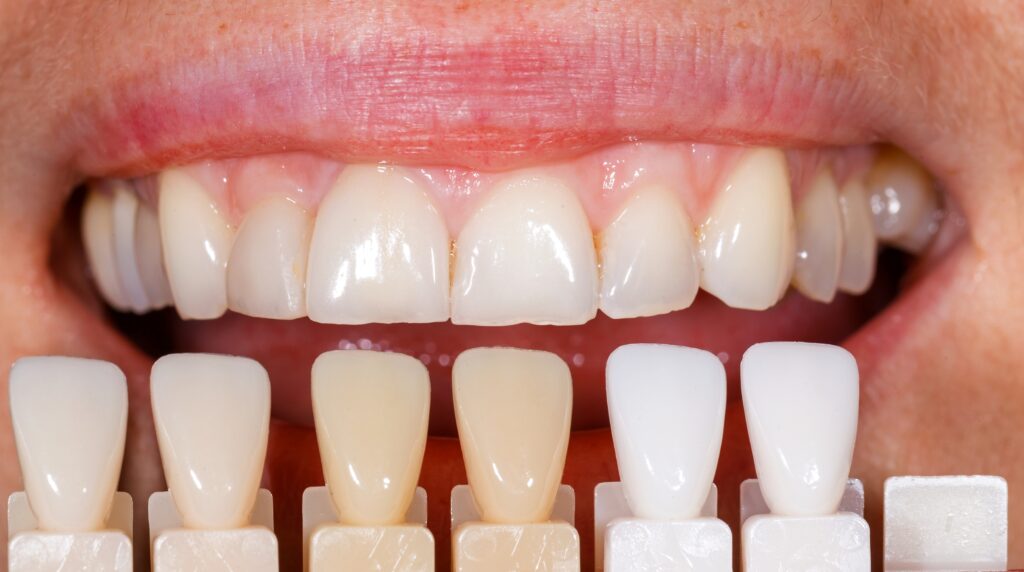
The number of veneers required depends on the patient’s smile line, facial structure, and desired results. A consultation with a qualified cosmetic dentist will help determine the best treatment plan tailored to each individual.
In summary, the 4-8-10 rule helps guide patients and professionals toward a well-balanced, natural smile by focusing on the number of veneers placed based on smile visibility.

 Digital Performance Agency.