

Yellow teeth can be more than just an aesthetic concern they often influence confidence, social interactions, and even perceptions of personal hygiene. While not always indicative of serious health issues, the quest for a brighter smile is a topic that intrigues many. Understanding the causes, effects, and solutions for yellow teeth allows individuals to make informed decisions and explore scientifically backed approaches to improving tooth appearance.
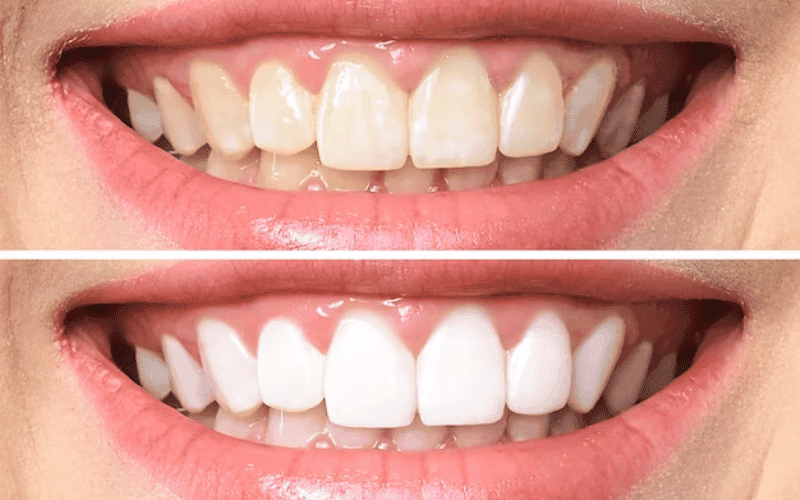
Understanding Yellow Teeth and Their Causes
Yellow teeth are primarily caused by a combination of extrinsic and intrinsic factors. Extrinsic discoloration occurs when foods, drinks, or habits stain the outer enamel layer. Common culprits include coffee, tea, red wine, and smoking. Intrinsic discoloration, on the other hand, stems from changes inside the tooth structure itself often influenced by aging, genetics, or certain medications.
Interestingly, enamel the hard outer coating of your teeth is naturally semi-translucent. Beneath it lies dentin, which has a yellowish hue. When enamel thins over time, the dentin becomes more visible, naturally giving teeth a yellower appearance. This explains why even meticulous brushers may notice a gradual yellowing of teeth with age.
Research has shown that environmental and dietary habits significantly contribute to yellow teeth. For example, a study published in the Journal of Dentistry observed that frequent consumption of acidic beverages not only eroded enamel but also exacerbated discoloration over time. Understanding these causes is the first step toward selecting effective yellow teeth solutions.
Daily Habits That Contribute to Yellow Teeth
Maintaining a bright smile requires more than brushing twice a day. Certain daily routines can unintentionally accelerate the yellowing process. Drinks like coffee and soda contain tannins and chromogens, molecules that attach to enamel and deposit color. Similarly, smoking introduces tar and nicotine, which adhere stubbornly to teeth surfaces.
Beyond obvious lifestyle factors, subtle habits play a role. For instance, skipping regular dental cleanings allows plaque and tartar buildup, which can appear yellowish. Even using a hard-bristled toothbrush aggressively can wear down enamel, exposing the naturally yellow dentin beneath.
A useful approach is to create a “staining risk chart” to track foods, drinks, and habits that influence tooth coloration:
| Habit/Food | Impact on Teeth Color | Frequency Recommendation |
| Coffee/Tea | High | Limit to 1–2 cups/day |
| Soda | Moderate | Occasional consumption |
| Smoking | Very High | Avoid completely |
| Dark Sauces | Moderate | Rinse after meals |
| Citrus & Acidic Foods | Low–Moderate | Use straw, rinse mouth |
This chart highlights that even small, consistent choices can significantly affect the appearance of teeth over months or years.
Natural Remedies for Yellow Teeth
When exploring yellow teeth solutions, many people turn to natural approaches. Some popular options include baking soda, activated charcoal, and oil pulling. Baking soda works as a mild abrasive, gently removing surface stains. Activated charcoal is believed to absorb pigments from teeth, though clinical evidence remains limited. Oil pulling, an ancient practice of swishing oil in the mouth, is thought to reduce plaque and improve oral health, which can indirectly reduce yellowing.
Despite their popularity, natural remedies vary in effectiveness. Experts emphasize moderation, as abrasive substances can damage enamel if overused. Additionally, combining natural remedies with consistent oral hygiene flossing, brushing with fluoride toothpaste, and regular professional cleanings tends to yield the best long-term results.
Professional Treatments for Yellow Teeth
Yellow teeth often prompt individuals to consider professional dental treatments. These methods are typically faster and more predictable than home remedies. One of the most common solutions is in-office teeth whitening, which uses high-concentration peroxide gels combined with light or laser activation. Clinical studies indicate that professional whitening can lighten teeth by several shades in a single session, though results vary depending on enamel thickness and pre-existing stains.
Another professional approach involves custom-made whitening trays for at-home use. Dentists provide trays molded to fit perfectly over teeth, paired with a lower-concentration whitening gel. This method offers gradual, controlled whitening, reducing sensitivity compared to in-office procedures. Additionally, veneers or dental bonding can mask yellow teeth permanently. Veneers are thin porcelain shells applied to the front surface of teeth, while bonding uses composite resin to improve appearance. Both solutions require professional expertise but provide long-lasting aesthetic results.
Dietary Adjustments to Minimize Yellow Teeth
Addressing yellow teeth often begins in the kitchen. While professional treatments can remove existing discoloration, modifying dietary habits helps prevent future yellowing. Foods rich in fiber, such as apples, carrots, and celery, naturally clean teeth by stimulating saliva production and gently scrubbing enamel. Saliva is essential because it neutralizes acids and washes away staining particles.
Beverage choices also play a critical role. For example, drinking coffee or tea through a straw reduces contact with teeth surfaces. Additionally, rinsing the mouth with water immediately after consuming staining foods minimizes their impact. Incorporating dairy products like cheese can strengthen enamel due to their calcium content, indirectly supporting brighter teeth. Making these adjustments doesn’t guarantee instant results, but over time, they contribute significantly to maintaining a natural, healthy tooth color.
Over-the-Counter Solutions for Yellow Teeth
For those seeking convenient options, over-the-counter products provide a middle ground between natural remedies and professional treatments. Whitening toothpastes, strips, and gels are widely available and often contain mild abrasives or low-concentration peroxide. Yellow teeth respond best when these products are used consistently, usually over several weeks.
It’s important to select products with proven efficacy. Look for whitening products approved by dental associations, which ensures safety and credibility. Overuse of whitening strips or abrasive toothpastes can damage enamel, potentially worsening discoloration over time. Combining over-the-counter products with good oral hygiene maximizes results while minimizing risks.
Advanced Techniques for Yellow Teeth
Yellow teeth sometimes resist conventional methods, prompting interest in advanced techniques. One such method is laser-assisted whitening, which accelerates peroxide-based bleaching using light energy. Clinical reports indicate that laser whitening can achieve more uniform results, especially for teeth with deep intrinsic stains. Another emerging approach is remineralization therapy, using calcium phosphate or fluoride-based gels to strengthen enamel, making teeth less prone to staining and giving them a naturally brighter appearance.
In addition, some studies are exploring the role of genetic factors in enamel thickness and dentin color. While these approaches are not yet widely accessible, understanding the science behind yellowing teeth can guide individuals toward realistic expectations and better long-term care.
Lifestyle Changes to Prevent Yellow Teeth
Preventing yellow teeth involves consistent, strategic lifestyle adjustments. Beyond diet, habits such as proper brushing technique, flossing daily, and limiting acidic foods play a critical role. Regular dental check-ups allow early intervention for plaque buildup, tartar, and minor discolorations.
Stress management may also indirectly influence tooth color. Chronic stress has been linked to enamel erosion and increased teeth grinding, which can expose yellow dentin. Incorporating relaxation practices, adequate sleep, and hydration contributes not only to overall health but also to maintaining a brighter smile.
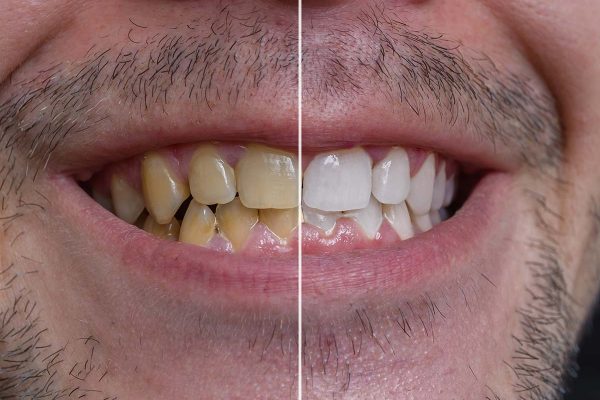
Integrating Yellow Teeth Solutions into Daily Life
Achieving and maintaining a bright smile requires integrating multiple strategies. Consider a multi-step routine: brush twice daily with a fluoride toothpaste, use whitening products periodically, follow dietary adjustments, and schedule professional cleanings. Combining methods ensures that yellow teeth are addressed from multiple angles surface stains, enamel health, and intrinsic discoloration.
For example, a typical daily routine might look like this:
- Morning: Brush with whitening toothpaste and rinse with water after coffee.
- Afternoon: Snack on fiber-rich foods or dairy to naturally clean teeth.
- Evening: Floss, brush gently, and use a low-concentration whitening gel if recommended.
Consistency is key. Over time, these strategies collectively reduce the intensity of yellowing and help maintain a natural, confident smile.
A Holistic Approach to Yellow Teeth
Addressing yellow teeth is less about quick fixes and more about understanding causes, exploring scientifically supported solutions, and integrating healthy habits. While professional treatments provide rapid results, natural remedies, dietary adjustments, and lifestyle changes reinforce long-term success.
In essence, yellow teeth are a common challenge, but one that can be effectively managed through informed, strategic choices. By combining knowledge, practical action, and scientific insight, individuals can achieve not only a brighter smile but also improved oral health and confidence. This holistic approach ensures that solutions are sustainable, realistic, and tailored to individual needs.

 Dijital Performans Ajansı.