

Acid erosion is a growing concern in modern dental health, affecting countless individuals who consume acidic foods, beverages, or experience natural digestive acid exposure. Understanding how acid erosion occurs, its subtle signs, and strategies for protection is key to maintaining strong, healthy teeth.
What Will You Read?
Understanding Acid Erosion and Its Causes
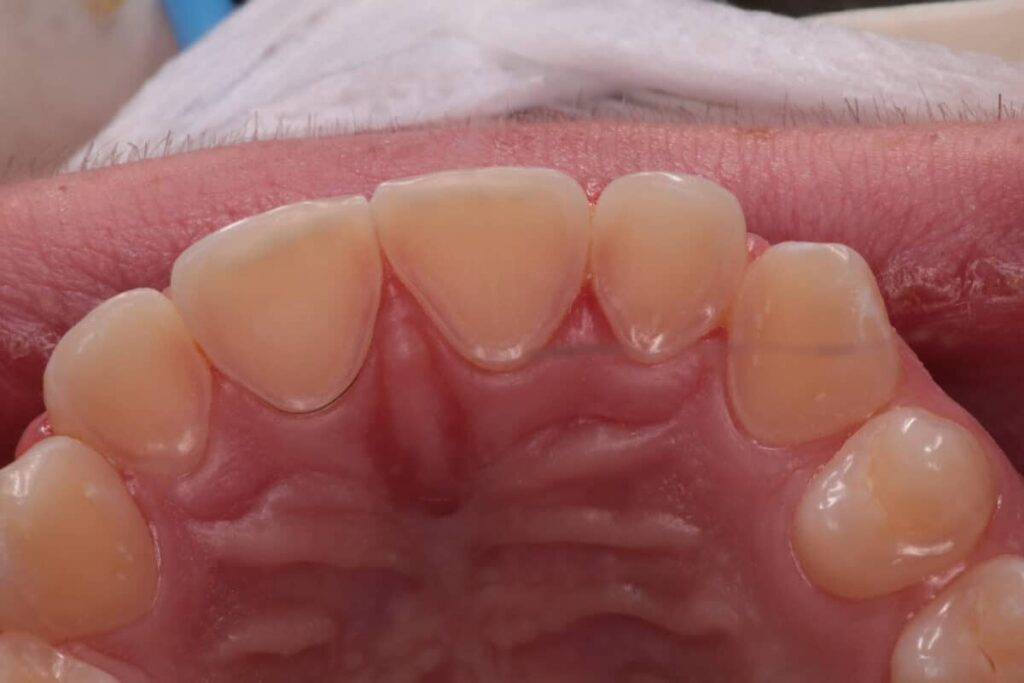
Acid erosion occurs when the enamel, the hard outer layer of teeth, gradually wears away due to exposure to acids. Unlike decay caused by bacteria, this process is chemical. Studies indicate that even moderate daily intake of acidic drinks like citrus juices or carbonated sodas can slowly damage enamel.
Researchers have also highlighted that natural factors, including stomach acid from acid reflux or frequent vomiting, contribute significantly to acid erosion. The enamel becomes softer, increasing susceptibility to sensitivity, discoloration, and structural damage over time.
Interestingly, the rate of enamel loss is not uniform. Factors like saliva composition, buffering capacity, and individual enamel thickness play a role. Saliva acts as a natural neutralizer, and lower saliva production can accelerate acid erosion.
The Role of Diet in Acid Erosion
Diet is one of the most influential factors in the progression of acid erosion. Foods and drinks with high acid content, such as citrus fruits, soft drinks, wine, and vinegar-based dressings, constantly challenge enamel integrity.
- Carbonated beverages: Phosphoric and citric acids in sodas increase enamel vulnerability.
- Fruits and fruit juices: Although healthy, repeated exposure can be corrosive.
- Sports and energy drinks: Often overlooked, these beverages have high acidity levels.
A table illustrating acidity levels in common consumables can help identify which items are most likely to contribute to acid erosion:
| Food/Drink | pH Level | Erosive Potential |
| Lemon juice | 2.0 | High |
| Cola | 2.5 | High |
| Apple | 3.3 | Moderate |
| Orange | 3.5 | Moderate |
| Milk | 6.5 | Low |
| Water | 7.0 | Minimal |
The table demonstrates that even seemingly harmless items can cumulatively impact dental health. For individuals concerned about acid erosion, being mindful of acidic food intake frequency is as crucial as the quantity consumed.
Identifying Early Signs of Acid Erosion
Detecting acid erosion early can prevent long-term damage. Some subtle signs include:
- Increased tooth sensitivity to hot, cold, or sweet stimuli.
- Slight discoloration or yellowing of enamel due to dentin exposure.
- Rounded or smooth edges on teeth, often most visible on front teeth.
- Micro-cracks or minor chipping over time.
Dentists recommend regular monitoring, as acid erosion often progresses silently before noticeable symptoms appear. Research also indicates that patients often underestimate the damage until enamel loss is significant.
Preventing Acid Erosion Through Daily Habits
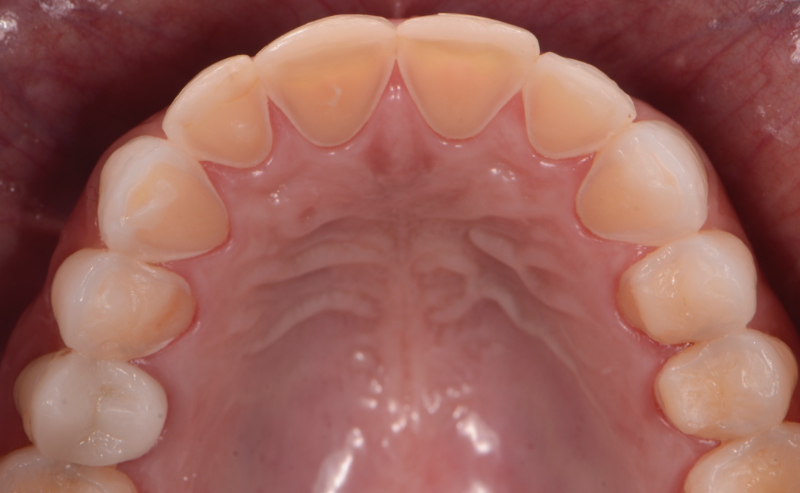
Daily routines play a critical role in protecting teeth from acid erosion. While complete avoidance of acids is unrealistic, adopting smart habits can significantly reduce enamel wear.
One effective approach is timing meals and acidic drinks strategically. Rinsing with water immediately after consuming acidic foods or beverages helps neutralize the acids before they erode enamel. Using a straw for acidic drinks reduces direct contact with teeth, limiting acid erosion.
Chewing sugar-free gum stimulates saliva production, which naturally buffers acids. Research suggests that chewing gum for 20 minutes after meals can improve oral pH levels and support enamel remineralization. Regular, gentle brushing with a soft-bristled toothbrush and fluoride toothpaste strengthens enamel without further aggravating acid erosion.
Fluoride and Mineral Protection Against Acid Erosion
Fluoride remains one of the most studied agents in combating acid erosion. Fluoride ions help remineralize weakened enamel and can slow the progression of enamel loss. Many dental products contain fluoride, including toothpaste, mouth rinses, and professionally applied gels.
Calcium and phosphate supplements also contribute to enamel recovery. Casein phosphopeptide-amorphous calcium phosphate (CPP-ACP) is particularly effective in supporting natural enamel repair. Studies indicate that these mineral-based treatments can reduce sensitivity caused by early-stage acid erosion and improve overall enamel resilience.
Lifestyle Factors That Influence Acid Erosion
Beyond diet, lifestyle choices impact acid erosion risk. Frequent snacking, irregular brushing schedules, and high-stress levels can exacerbate enamel wear. Individuals with acid reflux or bulimia face increased risk due to frequent exposure to stomach acids.
Physical activity can indirectly affect acid erosion. Athletes consuming acidic energy drinks during workouts may unknowingly increase enamel wear. Awareness of timing, hydration, and post-activity dental care can mitigate these effects.
Sleep patterns also play a subtle role. Reduced saliva production during the night, particularly in individuals with dry mouth, can make teeth more susceptible to acid erosion. Ensuring hydration before bed and using saliva-stimulating practices can help maintain enamel protection.
Scientific Insights into Acid Erosion Prevention
Recent studies emphasize that prevention of acid erosion is not just about avoidance but proactive reinforcement. For example, research in the Journal of Dentistry highlights that intermittent exposure to acids is less damaging when followed by neutralizing activities such as water rinsing or fluoride application.
Another study shows that tooth surface texture and composition affect susceptibility. Enamel with higher mineral density resists acid erosion better, while thinner enamel areas wear faster. These findings underscore the importance of maintaining oral health habits that strengthen enamel and reduce cumulative acid exposure.
Advanced Strategies to Combat Acid Erosion
For individuals seeking a higher level of protection against acid erosion, technological and clinical strategies can complement daily care. Dental sealants, professionally applied fluoride varnishes, and enamel-strengthening coatings are increasingly popular in preventive dentistry.
Recent innovations include nano-hydroxyapatite pastes that mimic the natural enamel structure. Clinical studies suggest that these formulations can fill micro-cracks, reinforce enamel, and reduce the rate of acid erosion. In addition, digital dental monitoring tools allow dentists to track enamel loss over time, enabling timely interventions.
Managing Beverages to Reduce Acid Erosion
Beverages are among the primary contributors to acid erosion, and managing them can make a measurable difference. Carbonated drinks, citrus juices, and energy drinks should be consumed in moderation, ideally during meals rather than between meals.
Using straws, rinsing with water afterward, and waiting at least 30 minutes before brushing teeth are simple but effective strategies. Research shows that immediate brushing after acid exposure can further wear enamel, while waiting allows natural remineralization to occur.
Fun Facts and Surprising Insights About Acid Erosion
Understanding acid erosion isn’t only about caution; it’s also fascinating. For instance, enamel is the hardest substance in the human body, yet it can wear down chemically without trauma. Another interesting fact: saliva contains calcium, phosphate, and bicarbonate, which work together to naturally protect teeth from acid erosion.
Studies also suggest that people with a higher perception of taste may unknowingly increase their risk, as they often consume more acidic foods and drinks for flavor enhancement. Awareness of these subtle influences can help manage acid erosion more effectively.
Integrating Knowledge to Protect Your Teeth
Preventing acid erosion is a multifaceted challenge involving diet, daily habits, mineral reinforcement, lifestyle awareness, and modern dental strategies. By understanding the mechanisms behind enamel wear and applying research-backed practices, individuals can maintain stronger, healthier teeth.
The combination of mindful consumption, fluoride and mineral support, saliva management, and professional dental interventions creates a comprehensive shield against acid erosion. DentRoute emphasizes that knowledge, awareness, and proactive care are key to preserving enamel integrity and long-term oral health.

 Dijital Performans Ajansı.