

Invisible Braces have revolutionized the way people approach orthodontic care, offering a discreet solution that combines aesthetics with effectiveness. Unlike traditional metal braces, invisible braces provide a nearly invisible treatment path, making them ideal for adults and teens who want a confident smile without the appearance of conventional brackets. Over the past decade, advances in materials and digital orthodontics have made these treatments more comfortable, precise, and customizable than ever before.
What Will You Read?
The Science Behind Invisible Braces
Invisible Braces are designed using cutting-edge 3D scanning and printing technologies that map the teeth’s current positions and plan their gradual movement. The process often starts with a detailed digital scan, which is far more accurate than traditional molds. These scans create a virtual model of the patient’s mouth, allowing orthodontists to simulate the treatment journey step by step.
Research from the Journal of Clinical Orthodontics highlights that customized aligners reduce treatment time by up to 30% compared to traditional methods. The material used is usually a medical-grade polymer that applies gentle pressure to teeth, gradually shifting them into alignment. This precision is what differentiates invisible braces from other less sophisticated orthodontic options.
Beyond aesthetics, the science focuses on reducing discomfort. Unlike metal braces, which rely on wires and brackets, invisible braces distribute forces evenly across teeth. This can reduce pressure points and minimize soft tissue irritation, leading to a smoother treatment experience.
Advantages of Invisible Braces Over Traditional Braces
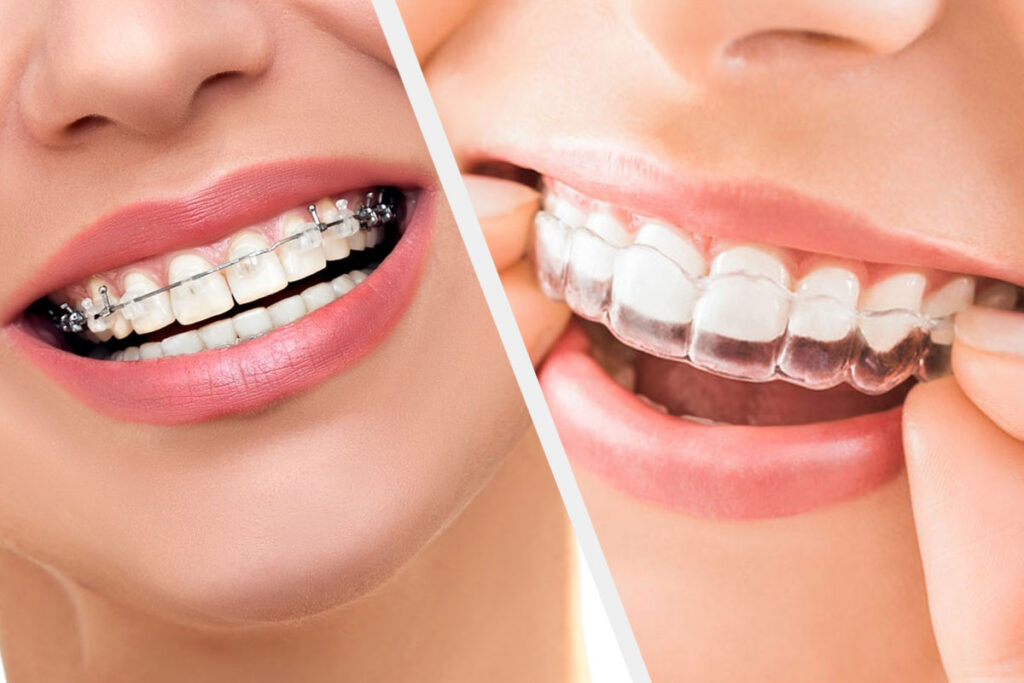
The rise of Invisible Braces owes much to their multiple advantages over conventional metal brackets. First, the aesthetic factor is a major draw. Patients can undergo orthodontic treatment in public or professional settings without drawing attention to their dental work.
Second, removable aligners allow for easier oral hygiene. Unlike fixed brackets that trap food particles, invisible braces can be taken out for eating, brushing, and flossing. This reduces the risk of cavities and gum inflammation during treatment.
A structured comparison helps clarify the benefits:
| Feature | Traditional Braces | Invisible Braces |
| Visibility | High | Nearly invisible |
| Removability | No | Yes |
| Comfort | Moderate | High |
| Oral Hygiene Maintenance | Challenging | Easy |
| Treatment Precision | Moderate | High |
These features collectively make invisible braces an appealing option for those seeking discreet, effective treatment.
Ceramic Brackets: A Hybrid Approach
While Invisible Braces are often aligners, ceramic brackets offer a bridge between traditional metal braces and clear aligners. Made from high-strength ceramic materials, these brackets mimic the color of teeth, making them less noticeable than metal counterparts.
Ceramic brackets work by attaching to teeth like conventional braces but are paired with tooth-colored wires to enhance invisibility. Studies in the American Journal of Orthodontics indicate that patients report higher satisfaction with ceramic braces due to their aesthetic appeal, even though they may require slightly longer treatment compared to traditional metal braces.
Additionally, ceramic brackets are known for being gentler on enamel. They reduce the risk of abrasion, which can sometimes occur with metal braces, making them suitable for patients with sensitive teeth or enamel concerns.
Step-by-Step Invisible Braces Treatment
Invisible Braces treatment typically begins with a comprehensive orthodontic evaluation. During this initial stage, digital scans, photographs, and X-rays are taken to assess the teeth, jaw alignment, and bite. This allows orthodontists to create a personalized treatment plan that predicts how teeth will move over time.
Once the plan is finalized, a series of custom aligners is produced. Each aligner is slightly different, applying gentle pressure to gradually shift teeth into the desired position. Patients usually wear each set for about 1–2 weeks before progressing to the next.
An important part of this process is regular check-ups. Although invisible braces are largely self-managed, orthodontists monitor progress every 6–8 weeks to ensure treatment remains on track. Adjustments can be made if necessary, allowing for a precise and predictable outcome.
Maintenance and Oral Care with Invisible Braces
Maintaining Invisible Braces is surprisingly straightforward, yet crucial for effective treatment. One of the most significant advantages is the ability to remove aligners for eating and cleaning, which helps prevent plaque accumulation and tooth decay.
Patients are advised to clean their aligners daily using mild soap and water, avoiding toothpaste that can scratch the surface. Teeth should be brushed and flossed before reinserting aligners, ensuring no food particles are trapped between teeth and aligner.
A daily routine might look like this:
- Remove aligners before meals.
- Rinse aligners and brush teeth after eating.
- Wear aligners 20–22 hours per day.
- Clean aligners with gentle soap or specialized cleaning solutions.
Following these steps not only preserves oral health but also ensures that treatment proceeds according to the planned timeline.
Comfort and Adaptation
Comfort is a key factor that sets Invisible Braces apart from traditional orthodontics. Unlike metal brackets that can irritate cheeks and gums, aligners are smooth and tailored to the patient’s dental anatomy.
Initially, patients may experience mild pressure or soreness, especially when switching to a new set of aligners. This sensation is normal and indicates that teeth are moving correctly. The discomfort typically subsides within a few days.
Interestingly, research in the Journal of Dental Research indicates that patients wearing invisible braces report significantly fewer incidents of soft tissue irritation compared to traditional braces. The ability to remove aligners during meals also contributes to overall comfort, offering a more flexible and patient-friendly experience.
Cost and Investment in Invisible Braces
Invisible Braces are often considered an investment in both dental health and self-confidence. The overall cost varies depending on the complexity of the case, treatment duration, and the number of aligners required. Generally, prices can range from mid-level to premium, reflecting the advanced technology and customization involved.
It’s important to note that while initial costs may seem higher than traditional braces, some patients save on maintenance and hygiene-related expenses because invisible braces are removable and easier to clean. This can reduce the likelihood of cavities or gum issues during treatment.
Financial planning may involve insurance coverage, payment plans, or dental financing options. Patients who research and compare clinics can often find cost structures that balance quality care with affordability.
Duration of Invisible Braces Treatment
The timeline for Invisible Braces varies widely depending on individual orthodontic needs. Mild misalignments may be corrected in as little as 6 months, while more complex cases could take 18–24 months.
Treatment duration also depends on patient compliance. Aligners must typically be worn 20–22 hours per day to achieve optimal results. Skipping time or inconsistent wear can extend the treatment period significantly.
Comparing to traditional braces, invisible braces often offer shorter or comparable timelines, with the added benefit of predictable, digitally-planned tooth movements. Treatment simulation software allows patients to visualize each stage, which can enhance adherence and motivation.
Evaluating Results and Long-Term Retention
Once treatment with Invisible Braces is complete, evaluation focuses on bite alignment, aesthetic outcomes, and patient satisfaction. Follow-up appointments are essential to ensure teeth remain stable in their new positions.
Retention typically involves wearing a clear retainer, which preserves the results achieved by the aligners. These retainers are custom-made and designed to maintain alignment over the long term. Studies suggest that consistent retainer use is critical for preventing relapse, especially during the first year after active treatment.
Patients often notice subtle but impactful changes in confidence, oral hygiene, and even speech patterns, underscoring the multifaceted benefits of a well-executed invisible braces treatment.
Future Trends in Invisible Braces
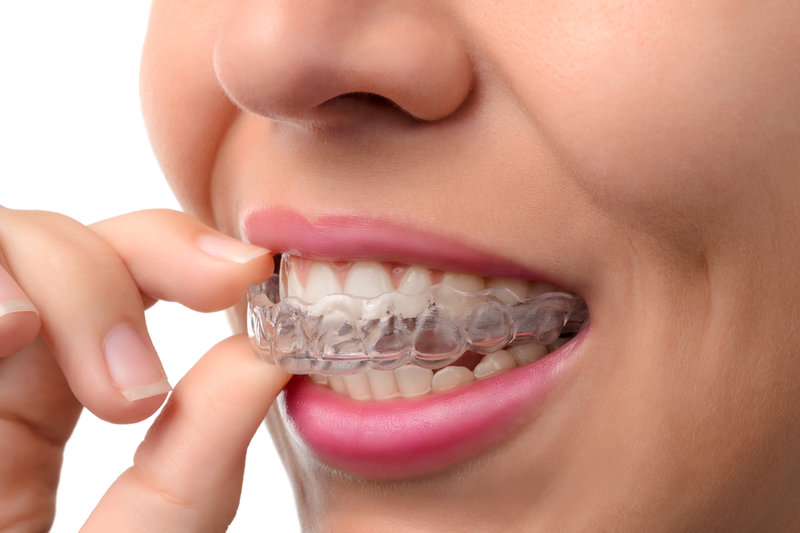
The world of Invisible Braces continues to evolve rapidly. Advances in artificial intelligence, 3D printing, and dental imaging are enabling even more precise, faster, and comfortable treatments.
Emerging trends include smart aligners with embedded sensors that track wear time and tooth movement, providing real-time feedback to patients and orthodontists. Research into biodegradable materials for aligners is also underway, addressing environmental concerns while maintaining effectiveness.
As technology progresses, invisible braces are expected to become increasingly personalized, integrating predictive analytics and patient-specific simulations to deliver optimal outcomes with minimal inconvenience.
Final Thoughts on Invisible Braces
Invisible Braces represent a paradigm shift in orthodontics, merging cutting-edge science with practical, patient-centered design. From digital treatment planning to removable, aesthetically pleasing aligners, these solutions offer a unique combination of comfort, precision, and discretion.
Whether paired with ceramic brackets or used as stand-alone aligners, invisible braces allow patients to achieve a healthier, more confident smile without compromising lifestyle or appearance. As technology continues to advance, the future of orthodontics looks both invisible and extraordinarily promising.

 Dijital Performans Ajansı.