

When we talk about confidence, appearance, and even overall health, one subtle hero stands behind them all: Oral Care. A clean, well-maintained mouth isn’t just about fresh breath or pearly whites it’s a reflection of balance within your entire body. From cardiovascular health to digestion, your daily dental habits play a surprisingly scientific role in long-term wellness.
DentRoute’s specialists emphasize that proper oral hygiene is a behavioral science. It’s not about brushing harder but understanding the delicate ecosystem of your mouth where enamel, saliva, and microbiota coexist in harmony. Before diving into advanced practices, let’s break down what truly defines smart, consistent Oral Care.
What Will You Read?
The Foundation of Oral Care More Than Just Brushing
At its core, Oral Care begins with mechanical cleaning brushing and flossing but it’s far more than that. Research from the Journal of Clinical Dentistry shows that plaque formation starts just hours after brushing. This means consistency, not intensity, determines your oral health success.
Plaque’s bacteria feed on sugar and release acids that erode enamel. To prevent this, the motion and timing of brushing are crucial. Ideally, brushing twice daily for two minutes with a soft-bristled brush keeps microbial colonies under control. Remember: gentle circular strokes clean more efficiently than aggressive scrubbing.
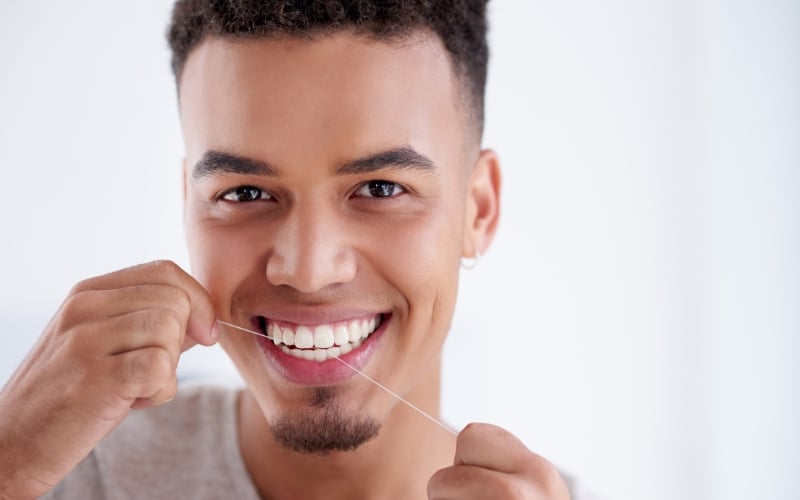
Flossing complements brushing by removing interdental debris. Despite being a 19th-century invention, modern flossing techniques such as water flossers or interdental brushes are backed by new evidence showing significant reduction in gingival inflammation.
Saliva The Unsung Guardian in Oral Care
While most people focus on toothpaste and tools, few appreciate the power of saliva in maintaining oral balance. It’s not just water saliva contains bicarbonates, calcium, and phosphate ions that neutralize acid and remineralize enamel surfaces.
When saliva flow drops (due to dehydration, stress, or certain medications), bacterial activity skyrockets. The result? Cavities, halitosis, and gum irritation. To boost natural saliva flow, hydration is key, as is stimulating the glands with sugar-free gum or fibrous foods. Scientific findings suggest even mild dehydration can shift the oral pH to a level where enamel becomes vulnerable within hours.
Think of saliva as your mouth’s self-regulating defense system a fluid that constantly repairs and protects when Oral Care routines support it properly.
Tools and Technologies That Upgrade Your Oral Care Routine
Advancements in dental technology have turned Oral Care into a precision-based science. Today, smart toothbrushes equipped with AI sensors track brushing angles, duration, and even pressure. Ultrasonic cleaners reach micro-plaque layers that manual tools cannot.
Here’s a quick comparison of traditional vs. digital methods:
| Method | Efficiency in Plaque Removal | User Adaptability | Average Cost |
| Manual Toothbrush | 60–70% | High | $2–10 |
| Electric Brush | 85–90% | Moderate | $40–100 |
| AI-Smart Brush | 90%+ | Moderate | $120+ |
The right tools elevate your results without extending your routine. However, technology doesn’t replace awareness understanding angles, pressure, and sequence matters equally. Over-brushing, for instance, can strip enamel or irritate gums, so more tech doesn’t always mean better Oral Care.
Nutrition’s Hidden Role in Effective Oral Care
Your diet silently shapes your oral ecosystem. Sugars and acids are obvious culprits, but nutritional deficiencies particularly in calcium, vitamin D, and magnesium can also weaken enamel and gum tissue.
Researchers have found correlations between high-fiber diets and reduced periodontal disease. Fibrous fruits and vegetables act like natural scrubbers, while dairy products replenish lost minerals. Conversely, frequent snacking without rinsing or brushing can trap carbohydrates between teeth, fueling bacterial growth.
Hydration and balanced meals are pillars of sustainable Oral Care. The simple act of drinking water after meals helps dilute acids and wash away debris a tiny habit with enormous cumulative effects.
Psychological Habits The Missing Link in Oral Care Success
Studies in behavioral dentistry show that motivation, stress, and self-perception strongly influence how consistently individuals perform Oral Care. People under chronic stress, for instance, produce more cortisol, which suppresses immune responses in the gums and increases inflammation risk.
Building micro-habits like placing your brush in visible spots or pairing brushing with existing routines (e.g., right after coffee) improves adherence rates by up to 80%. This is not just about willpower; it’s about designing an environment where good habits are automatic.
Mindfulness also plays a role. Patients who practice slow, deliberate brushing tend to have less gingival bleeding, possibly due to lower stress-induced clenching and better awareness of pressure.
When Professional Oral Care Interventions Become Essential
Even the most diligent daily routine can’t replace professional evaluation. Biannual dental checkups aren’t just for cleaning they help identify early signs of gum recession, micro-fractures, or occlusal imbalances that might escape untrained eyes.
Modern dentistry now employs 3D scanning, CBCT imaging, and bacterial DNA tests to map your oral health with microscopic accuracy. At DentRoute, clinicians use these diagnostics not only for treatment but to create personalized Oral Care strategies that adapt to each patient’s enamel type, bite pattern, and saliva composition.
Preventive dentistry is, in essence, proactive Oral Care not waiting for pain, but continuously fine-tuning your smile’s ecosystem for long-term harmony.
The Future of Oral Care Personalized, Preventive, Predictive
We are entering an era where Oral Care becomes deeply individualized. AI diagnostics, biomechanical modeling, and genetic analysis will allow dentists to predict cavity risks or gum disease years before they manifest.
Imagine toothpaste formulated to your microbiome, or mouthwash that adapts its pH based on your last meal. The future isn’t distant it’s already being tested in research labs and premium clinics like DentRoute, where dentistry meets data science.
This evolution shows that oral hygiene isn’t a fixed routine; it’s a dynamic process, merging biology, behavior, and technology.
Rethinking the Way We Approach Oral Care
True Oral Care isn’t a checklist; it’s a daily act of respect for one of your body’s most expressive systems. Every smile you share reflects hundreds of micro-interactions between science, habit, and mindfulness.
From the chemical elegance of saliva to the digital precision of modern tools, your mouth is an ecosystem worth understanding and nurturing.

The Hidden World Inside Effective Oral Care
Behind every fresh breath and healthy tooth lies an entire microscopic civilization your oral microbiome. This invisible community is the foundation of functional Oral Care and determines whether your mouth remains in balance or becomes vulnerable to disease.
Understanding the Oral Microbiome
The oral cavity hosts over 700 bacterial species, many of which play beneficial roles. These microbes aren’t inherently “bad”; they create a biological equilibrium that protects the gums and enamel. Problems begin when poor hygiene, sugary diets, or stress disrupt this balance.
In a healthy mouth, commensal bacteria dominate they help neutralize acids, control inflammation, and block pathogens. However, when bad bacteria like Streptococcus mutans gain strength, they release acids that dissolve enamel and trigger cavities.
Modern Oral Care therefore isn’t about sterilizing the mouth, but about preserving microbial diversity. Think of it as gardening rather than disinfecting: healthy flora keeps the ecosystem alive and self-regulating.
How Modern Oral Care Supports Microbial Balance
Recent dental innovations now focus on probiotic and prebiotic interventions. Certain mouth rinses, for example, are designed not to kill all bacteria but to strengthen beneficial strains. Even toothpaste formulas have evolved to include enzymes that foster bacterial harmony instead of destroying it.
DentRoute’s approach to preventive dentistry emphasizes the ecological model teaching patients to maintain an oral environment that self-heals. When saliva composition, diet, and brushing habits are synchronized, the microbiome becomes a natural shield against infections.
External Factors That Influence the Microbiome
Beyond diet and hygiene, lifestyle factors like smoking, alcohol, and even sleep quality can shift your microbial profile. Sleep deprivation alters hormone levels and pH balance, while nicotine reduces oxygen flow in the gums, creating anaerobic pockets where harmful bacteria thrive.
Stress also plays a biochemical role. Elevated cortisol levels suppress immune responses, allowing pathogens to multiply. Therefore, Oral Care isn’t isolated from mental health emotional stability directly influences bacterial behavior in your mouth.
Building a Long-Term Strategy for Oral Care
Good Oral Care is not a quick routine it’s a lifestyle habit that intertwines with nutrition, behavior, and periodic professional guidance. Sustainable oral wellness depends on how you adapt small but consistent actions to your everyday rhythm.
Habit Architecture Turning Oral Hygiene into Ritual
Behavioral science shows that habits anchored to existing routines are 80% more likely to stick. For example, brushing right after morning coffee or before scrolling your phone creates a trigger-based system. Over time, these micro-routines form an effortless discipline.
A well-structured Oral Care ritual typically follows this sequence:
- Rinse first – loosen plaque and acid residue.
- Brush gently – circular motion for two minutes, twice daily.
- Floss or water-floss – clear interdental debris.
- Hydrate – rinse with water to restore neutral pH.
- Mindful check – examine tongue, gums, and breath regularly.
This combination is not only mechanical but psychological; it builds awareness and respect for your body’s most visible organ your smile.
Nutrition and Lifestyle Synergy in Long-Term Oral Care
A mouth in balance reflects a balanced diet. Scientific research consistently links oral inflammation to systemic health conditions such as cardiovascular disease and diabetes. Thus, consistent Oral Care also reduces broader health risks by minimizing chronic inflammation.
Consider integrating nutrient-rich foods that reinforce enamel and gum resilience:
- Calcium & Vitamin D: strengthen mineralization.
- Vitamin C & Collagen: improve gum integrity.
- Polyphenols (Green Tea): reduce harmful bacteria.
Avoiding acidic sodas, smoking, and frequent snacking can further stabilize oral pH levels, protecting the microbiome ecosystem you’ve built. Hydration remains the simplest yet most overlooked element of lasting Oral Care success.
The Role of Professional Maintenance in Ongoing Oral Care
No matter how disciplined your home routine is, periodic clinical evaluations remain irreplaceable. Professional cleanings remove tartar that household tools can’t reach. At DentRoute, experts integrate 3D imaging, ultrasonic scaling, and digital plaque mapping to identify emerging risks before they become visible.
The philosophy is simple: prevention costs less biologically, financially, and emotionally than restoration. When personalized Oral Care plans are combined with regular monitoring, long-term outcomes become predictable and sustainable.
The Science of Future Oral Care Personalized, Predictive, and Preventive
Tomorrow’s dentistry will no longer react to problems; it will predict them. Through AI-based imaging and salivary diagnostics, clinicians can forecast enamel erosion or gum sensitivity before symptoms appear. This evolution marks a paradigm shift in Oral Care from reactive treatment to proactive precision.
Emerging research in biomaterials also shows promise. Nanohydroxyapatite toothpaste, for instance, mimics the crystalline structure of real enamel, helping microscopic repair without fluoride. Likewise, biofilm mapping technologies allow tailored oral solutions, adjusting pH and bacterial ratios unique to each patient.
DentRoute embraces this scientific frontier. Every innovation in preventive dentistry reinforces the clinic’s core philosophy: technology should enhance nature, not replace it.
Redefining Oral Care as a Lifestyle Science
At its essence, Oral Care is not simply about clean teeth; it’s a reflection of awareness, consistency, and respect for one’s health. The mouth is a mirror of internal balance a biological, emotional, and even psychological system that thrives on routine harmony.
From microbial balance to mindful brushing, from nutrition to digital diagnostics, every detail shapes a story the story of your smile’s longevity.
DentRoute continues to guide patients through that story with clinical precision, modern science, and a human touch that reminds us:
a radiant smile isn’t manufactured it’s cultivated.

 Dijital Performans Ajansı.