

For many people, maintaining oral hygiene is a routine part of daily life, yet this routine becomes more complex when wearing braces. These orthodontic devices introduce new surfaces, corners and edges where food particles can collect. As a result, the risk of tooth decay can increase if the cleaning strategy is not adapted. Understanding how braces influence the oral environment helps anyone in treatment approach their routine with clarity and control. Rather than seeing orthodontic care as a challenge, it becomes a structured process guided by awareness and consistent habits.
What Will You Read?
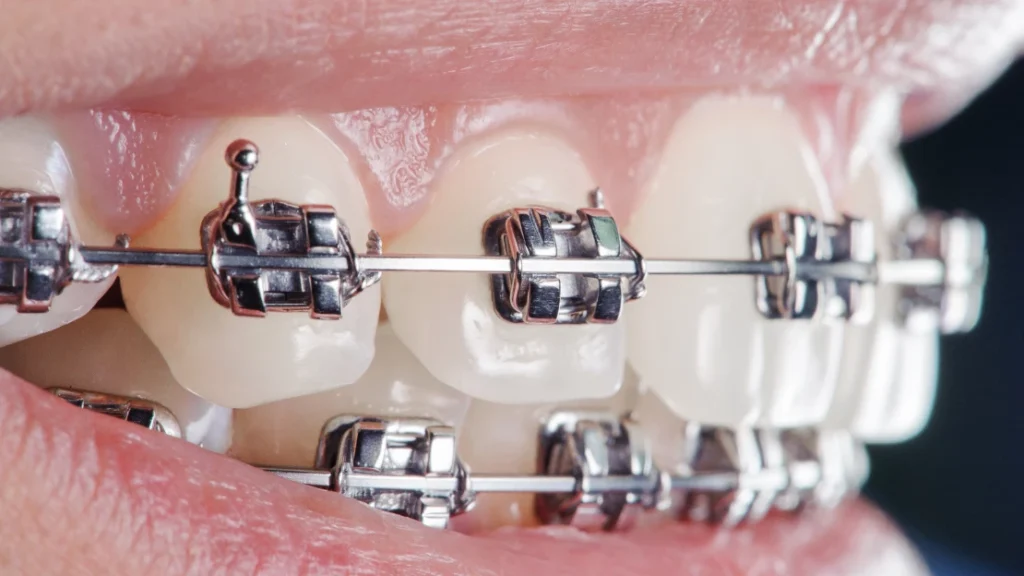
Why Braces Can Increase the Risk of Tooth Decay
One of the most interesting aspects of braces is how they change the natural flow inside the mouth. They create micro zones where plaque can accumulate more easily. The pitted texture of brackets and wires gives bacteria comfortable places to settle. This is not a flaw of the system but simply a mechanical reality. When appreciated fully, it becomes easier to adjust behaviors in ways that reduce risk.
Another factor is the shift in chewing dynamics. Foods may need to be chewed longer or moved to different sides of the mouth when braces are in place. This extended contact time can allow sugars and starches to linger, influencing bacterial activity. While these changes happen gradually, the person wearing braces has the ability to shape the overall outcome through regular and thoughtful cleaning habits.
The Scientific Foundation Behind Cleaning With Braces
The effectiveness of any hygiene routine comes down to mechanical removal. When someone wears braces, the mechanics change, which means the techniques must evolve. Standard brushing may not reach all the regions where debris accumulates. That is why interdental tools, water-based cleaners and specialized brush heads are commonly recommended. They expand the reach of the cleaning process, essentially replacing the access that is temporarily obscured by the hardware.
Studies examining orthodontic treatment often highlight how pH levels on tooth surfaces fluctuate more noticeably during this period. These fluctuations occur because food residue may remain longer around the brackets. Recognizing this pattern clarifies why a more structured approach to brushing and cleaning yields better outcomes. It is not about brushing harder but brushing smarter.
Effective Daily Habits to Strengthen Cleaning While Wearing Braces
A successful hygiene routine during orthodontic care relies on consistency and thoughtful technique. Tools alone do not solve the problem. What matters is how they are used and how often. People with braces benefit from routines that create checkpoints in the day.
One habit involves dividing cleaning into shorter, more frequent sessions rather than relying only on morning and night brushing. Short bursts of mechanical cleaning can interrupt plaque formation before it stabilizes. Another helpful practice is using oral hygiene tools in a layered way, starting with brushing, continuing with interdental passes and finishing with rinsing. These layered approaches help break down debris that becomes lodged around the components of braces.
The Role of Diet in Managing Decay Risk With Braces
Nutrition shapes the oral ecosystem more than many realize. When someone wears braces, the characteristics of foods become even more important. Sticky or slow dissolving items can cling to brackets for extended periods. This prolonged contact allows acids to develop more rapidly around the hardware. While avoiding certain foods completely is not always required, understanding how different textures behave inside the mouth helps guide wiser decisions.
Even subtle modifications make a noticeable difference. Choosing crisp fruits instead of chewy treats reduces lingering residue. Selecting foods that clear the mouth quickly helps maintain a more stable pH environment. People wearing braces often report that with time they naturally shift toward options that feel more comfortable, creating a nutritional rhythm that supports their oral health throughout the treatment.
How Braces Affect Saliva Flow and Why It Matters
Saliva plays a remarkable role in protecting teeth. It neutralizes acids, transports minerals and washes away particles. When braces are present, saliva has to navigate around wires and brackets, causing small delays in the washing cycle. These delays may be brief, yet they create windows in which bacterial activity can intensify.
For this reason, hydration and natural saliva stimulation become subtle but beneficial tools. Sipping water more frequently helps support the cleansing function of saliva. Choosing foods that prompt natural chewing and moisture release can also help. It is not about forcing anything, but about recognizing that braces change the mouth’s natural flow and adjusting in small but meaningful ways.
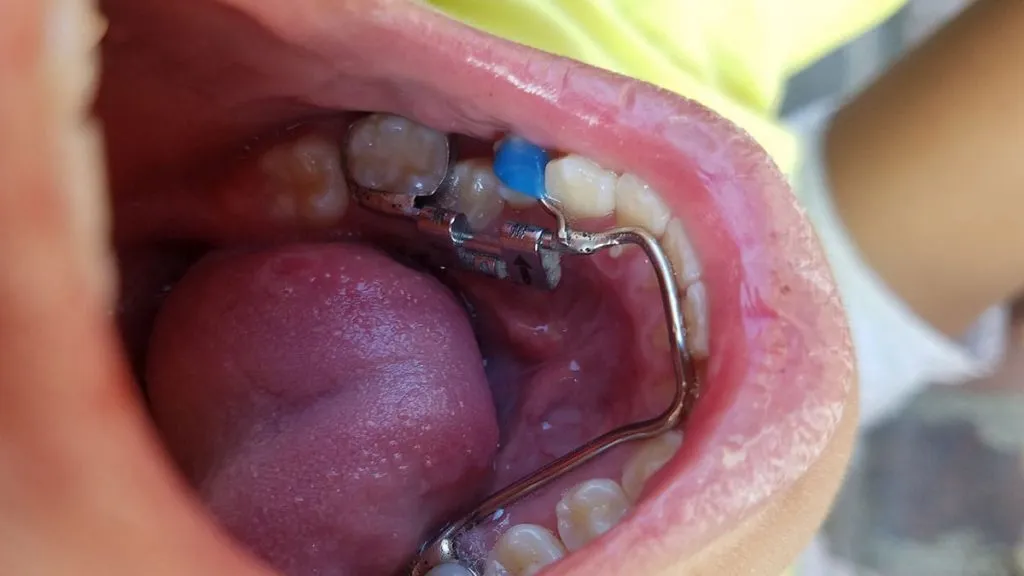
Understanding Tooth Surface Changes During Orthodontic Treatment
Orthodontic treatment with braces gently guides teeth into new positions. This movement creates brief periods where certain surfaces may be harder to reach and may be cleaned from slightly different angles. These transitions can make a temporary difference in how plaque patterns form. Appreciating the dynamic nature of tooth movement encourages a more adaptable cleaning style, one that shifts and improves along with the treatment.
Tooth surfaces also undergo minor stress during alignment changes. This is completely natural, yet it highlights why maintaining a steady routine is so beneficial. A consistent cleaning habit provides stability during a time when the mouth is evolving. Over months, this adaptability becomes second nature, shaping habits that often continue long after the braces are removed.
Long Term Oral Mindfulness While Wearing Braces
A less discussed but equally important part of orthodontic care is the mindset that develops along the way. Wearing braces encourages individuals to become more observant of their oral health. They start noticing patterns, textures and sensitivities that they may have overlooked before. This heightened awareness acts as a protective factor, helping them intervene early whenever something feels different.
In many cases, the behaviors established during treatment become long term habits. People who wore braces often maintain enhanced cleaning routines even after the devices are removed. This lasting mindfulness is one of the hidden benefits of orthodontic care, shaping healthier approaches to oral hygiene for years to come.
Preventing tooth decay while wearing braces is not about strict rules or complicated routines. It is about understanding how the devices interact with the oral environment and adapting habits to match. By appreciating the mechanical realities of brackets, paying attention to nutrition, supporting natural saliva flow and developing a structured cleaning routine, anyone can navigate orthodontic treatment with confidence. Braces do not increase decay risk by themselves. Rather, they reshape the mouth in a way that rewards awareness, consistency and steady care. For individuals treated at DentRoute, these principles empower a smooth experience and a healthier smile throughout every stage of the journey.

 Dijital Performans Ajansı.