

When it comes to oral care, the choice of a toothbrush can be surprisingly influential. From bristle stiffness to handle ergonomics, each factor plays a role in how effectively we clean our teeth and maintain overall dental hygiene. But the ongoing debate between a hard toothbrush and a soft toothbrush continues to perplex many.
Understanding the Science Behind a Toothbrush
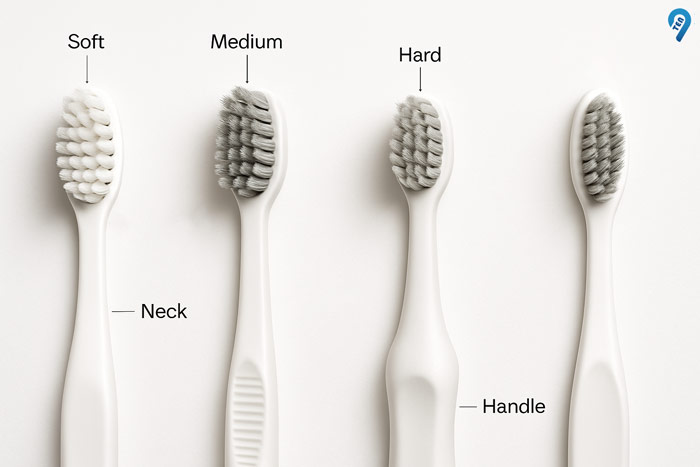
A toothbrush is more than just a set of bristles on a stick. Studies indicate that the type of bristles significantly affects plaque removal and gum health. Hard bristles, typically made of thicker nylon fibers, offer more mechanical force, while soft bristles bend easily, minimizing the risk of abrasion on enamel and gums. Research from the Journal of Dental Research shows that although both types can remove plaque, the pressure applied often dictates effectiveness more than bristle hardness.
Interestingly, a soft toothbrush can reach subgingival areas better, which may reduce the risk of gum inflammation. Conversely, a hard toothbrush may feel more efficient on stubborn stains but comes with a higher chance of enamel wear if used aggressively. Understanding this balance is key to making an informed choice.
Material and Bristle Technology in Toothbrushes
Modern toothbrushes are engineered with materials that impact both comfort and cleaning efficiency. Nylon remains the standard, but innovations like tapered bristles and multi-level filament designs enhance cleaning without harsh abrasions. Some hard toothbrushes feature rounded bristle tips to reduce the risk of gum damage, while soft variants may incorporate microfilaments for plaque and debris removal in hard-to-reach areas.
A comparative table highlights these differences:
| Feature | Hard Toothbrush | Soft Toothbrush |
| Plaque Removal | High (with caution) | Moderate to high |
| Gum Safety | Risk of irritation | Gentle on gums |
| Enamel Impact | Higher abrasion potential | Low abrasion potential |
| Accessibility | May miss subgingival areas | Reaches deeper areas effectively |
Impact on Gum Health
Gum health is a critical aspect often overlooked when selecting a toothbrush. Using a hard toothbrush improperly can lead to gingival recession over time. In contrast, soft bristles are less likely to cause trauma, particularly when paired with proper brushing technique. Clinical observations suggest that even individuals with robust enamel may benefit from soft toothbrushes to maintain long-term gum integrity.
Furthermore, the angle and duration of brushing interact with bristle stiffness. Dentists recommend brushing at a 45-degree angle to the gum line, regardless of toothbrush type. This approach maximizes plaque removal while minimizing gum irritation, illustrating that the tool and technique are inseparable factors in oral hygiene.
The Role of Brushing Technique vs Toothbrush Type
While bristle stiffness is important, how one uses a toothbrush often matters more than its hardness. Gentle, circular motions ensure plaque removal and prevent enamel damage, even with a soft toothbrush. Conversely, aggressive horizontal scrubbing with a hard toothbrush can cause microabrasions, gum bleeding, and long-term dental sensitivity.
A practical guideline: spend at least two minutes brushing twice a day, and do not exert excessive force. Evidence shows that applying moderate pressure consistently is more effective than sporadic, forceful brushing with a hard toothbrush.
Toothbrush Choices for Different Dental Conditions
Selecting the right toothbrush also depends on individual dental conditions. People with sensitive teeth, exposed roots, or recent dental work may benefit more from a soft toothbrush, as the gentle bristles reduce discomfort and minimize enamel wear. On the other hand, individuals dealing with minor staining or heavy plaque buildup sometimes prefer a hard toothbrush for its mechanical effectiveness, though caution is essential to avoid gum injury.
A few key considerations include:
- Sensitive teeth – Opt for soft bristles to prevent irritation.
- Braces or orthodontic appliances – A soft or medium toothbrush navigates around wires and brackets more efficiently.
- Tartar-prone teeth – Hard bristles may remove surface deposits, but professional cleanings remain critical.
Research from the International Journal of Dental Hygiene emphasizes that matching toothbrush stiffness to dental condition improves overall oral health outcomes without compromising enamel integrity.
Ergonomics and Design in Modern Toothbrushes
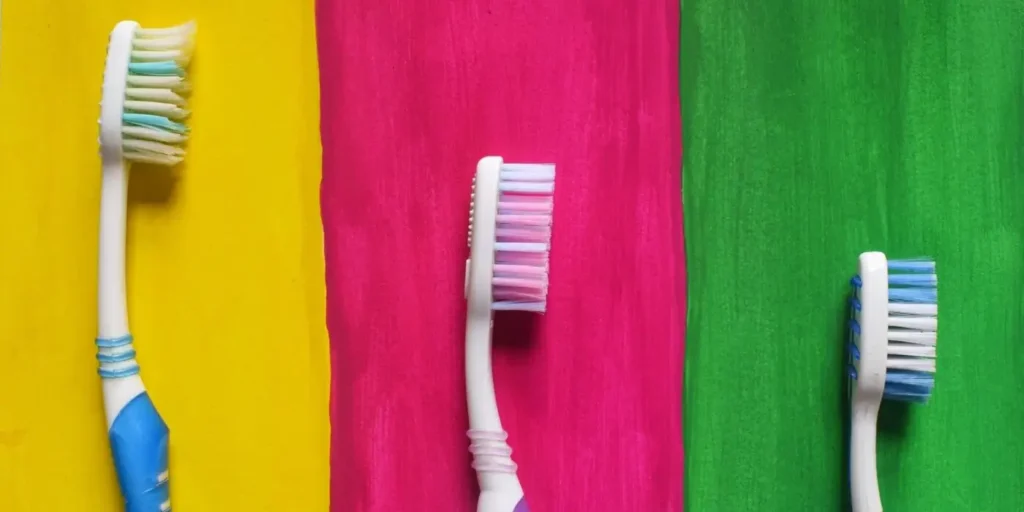
The design of a toothbrush goes beyond bristle stiffness. Handle ergonomics, bristle arrangement, and head size significantly affect brushing efficiency. Many modern toothbrushes feature angled handles to reduce wrist strain, while multi-level bristles reach interproximal spaces more effectively. Hard bristles often appear stiffer, but if the handle is poorly designed, users may unconsciously apply excessive pressure, negating potential benefits.
For instance, studies show that toothbrushes with flexible necks reduce applied force and prevent gum trauma, even when paired with hard bristles. Thus, a well-engineered soft toothbrush can outperform a poorly designed hard one in real-world use.
Environmental and Sustainability Factors
Beyond oral health, environmental considerations are becoming increasingly relevant in toothbrush selection. Traditional hard toothbrushes often use more plastic due to thicker bristles and reinforced heads, while biodegradable or bamboo soft toothbrushes are gaining popularity. Some studies suggest that switching to eco-friendly soft toothbrushes does not compromise dental hygiene effectiveness when used correctly.
Moreover, manufacturers are introducing replaceable heads, minimizing plastic waste. When selecting a toothbrush, balancing personal oral care needs with sustainability practices can make a significant impact over time.
Common Myths About Toothbrush Hardness
Many myths surround the debate between hard and soft toothbrushes. One common misconception is that harder bristles always clean better. While they can remove surface stains, excessive force increases the risk of enamel erosion and gum recession. Conversely, soft toothbrushes are sometimes dismissed as ineffective, yet scientific studies indicate that proper technique often outweighs bristle stiffness.
Another myth involves the belief that brushing harder guarantees fresher breath. In reality, breath freshness depends more on cleaning the tongue, interdental spaces, and maintaining consistent oral hygiene rather than bristle hardness alone.
Innovations in Toothbrush Technology
Modern toothbrushes integrate smart features, from pressure sensors to bristle vibration technology. Some hard bristle models now include flexible tips and rounded ends to prevent gum damage, while soft bristle options incorporate ultrafine filaments to reach below the gum line. These innovations highlight that the distinction between hard and soft toothbrushes is evolving, blending efficiency with safety.
For example, electric toothbrushes with soft bristles often outperform manual hard toothbrushes, emphasizing that the tool’s design and user approach can redefine traditional notions of cleaning power.
Practical Tips for Choosing Your Toothbrush
To select the right toothbrush, consider the following factors:
- Dental sensitivity – Softer bristles minimize discomfort.
- Brushing habits – Users who apply excessive force may benefit from softer bristles.
- Plaque and tartar tendencies – Harder bristles can target surface buildup but require care.
- Ergonomics and accessibility – Comfortable handles and appropriately sized heads improve brushing effectiveness.
- Sustainability – Biodegradable and replaceable options reduce environmental impact.
By weighing these factors, you can find a toothbrush that balances cleaning efficiency, gum safety, and long-term dental health.
Finding the Balance Between Hard and Soft Toothbrushes
In conclusion, there is no one-size-fits-all answer when deciding between a hard or soft toothbrush. The choice largely depends on individual dental conditions, brushing technique, and personal preferences. Scientific research consistently shows that soft toothbrushes tend to be gentler on gums and enamel, while hard variants may provide a more aggressive cleaning effect if used cautiously.
Ultimately, the most effective toothbrush is one that you use consistently, with proper technique, and that aligns with your oral health needs. As DentRoute emphasizes, understanding the science behind your daily tools empowers you to make informed choices, transforming a simple brushing routine into a cornerstone of lasting oral wellness.

 Dijital Performans Ajansı.