

The fascination with Freddie Mercury teeth has endured for decades, intriguing both dental professionals and music lovers alike. At the heart of this curiosity lies a truly uncommon dental formation that shaped not only his iconic smile but also, arguably, the sound that helped define a musical generation. Many people searching for answers about Freddie Mercury teeth want to understand what made his smile so distinctive, whether his teeth affected his voice, and why he never chose to alter their appearance. This comprehensive guide will deliver clear, evidence-based insight into these questions, focusing on scientific accuracy, expert interpretation, and practical context for those considering dental treatment for similar issues.
What Will You Read?
What Made Freddie Mercury Teeth Different
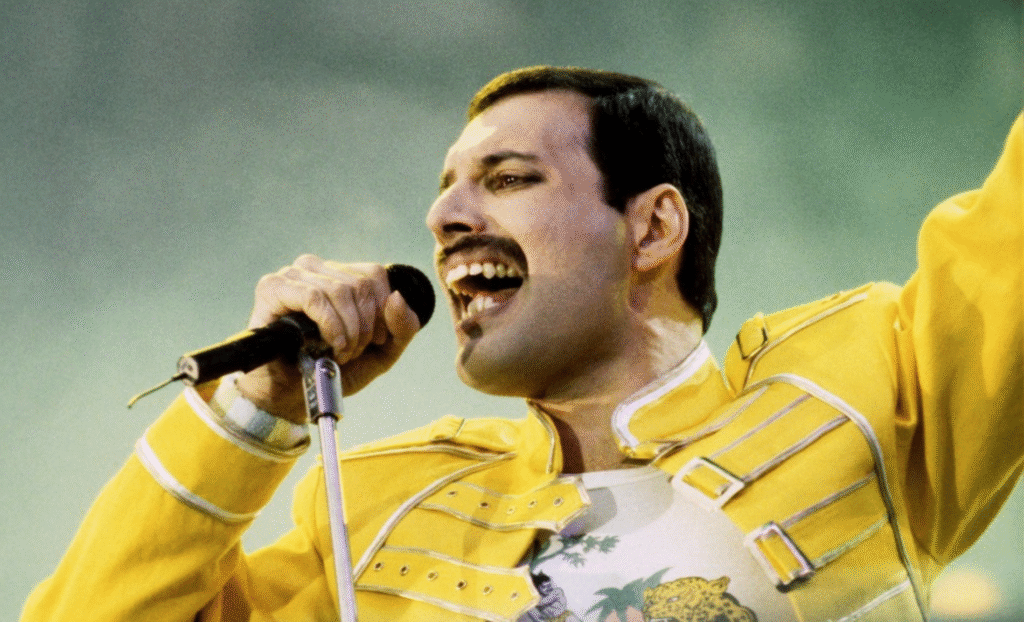
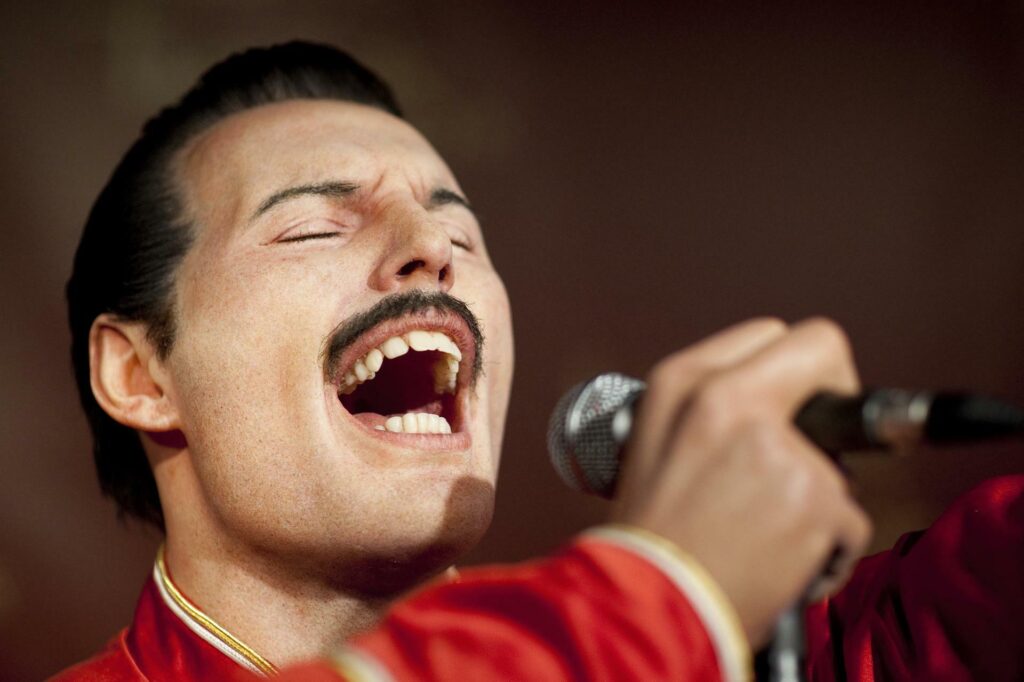
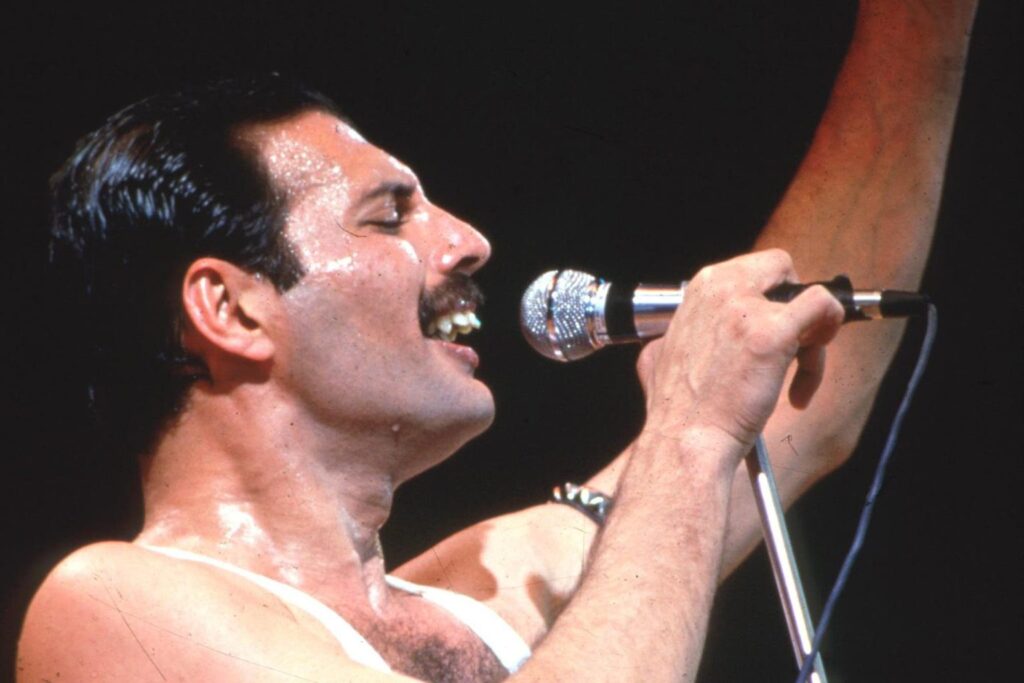
Freddie Mercury teeth became legendary due to a rare dental condition known as supernumerary teeth, meaning he had four extra incisors in his upper jaw. This situation led to severe dental crowding, causing his front teeth to be pushed forward, resulting in a pronounced overbite and a visibly prominent smile. Unlike most celebrities who strive for perfection with veneers or orthodontics, Freddie Mercury teeth remained entirely natural throughout his career.
This extra set of teeth did not occur due to poor oral hygiene or neglect but stemmed from a developmental anomaly known as mesiodens. Individuals with mesiodens develop additional teeth during childhood, and if left untreated, these teeth often disrupt normal alignment. In Freddie’s case, this condition created the foundation for one of the most memorable smiles in rock history.
Before exploring deeper, it is important to highlight that the prevalence of supernumerary teeth in the general population is extremely low, occurring in less than 4% of people globally. The unique structure of Freddie Mercury’s teeth brought about not only a striking appearance but also a set of psychosocial challenges and, according to some, musical advantages.
The Psychological Impact of Freddie Mercury Teeth
Freddie Mercury teeth were more than a cosmetic quirk. Throughout his youth, he was reportedly the target of ridicule and name-calling due to his prominent teeth. The emotional weight of these experiences affected his confidence, especially offstage. During interviews and candid moments, he often covered his mouth with his hand or used his upper lip to conceal his teeth. Even during performances, he would sometimes position the microphone to shield his smile.
Despite these insecurities, he never sought orthodontic treatment. This decision was driven partly by his concern that any alteration could compromise his unique vocal sound. His belief in the link between his teeth and his four-octave range is now a part of music folklore, further cementing his legendary status.
Scientific Analysis: Did Freddie Mercury Teeth Affect His Voice
Following the rise of Queen and the immense popularity of Freddie Mercury, many have speculated that Freddie Mercury teeth played a role in producing his legendary vocal tone. Scientifically, the relationship between dental structure and vocal resonance is well-established. The oral cavity, teeth, and palate shape the resonance and timbre of the human voice.
Freddie’s four extra teeth would have expanded the oral cavity slightly, possibly affecting how sound waves bounced within his mouth. This, in theory, could provide a broader resonance chamber, impacting the warmth and projection of certain notes. However, leading experts and voice scientists agree that the primary factor in Mercury’s vocal prowess was not his dental configuration but his extraordinary technique. His ability to employ complex vocal registers, dynamic breath control, and unique articulation was the true source of his unmatched sound.
For most singers, correcting an overbite or crowded teeth will not diminish vocal range or power. Modern orthodontics is designed to maintain oral function while improving alignment and aesthetics. The legend of Freddie Mercury teeth and their supposed magical effect on his voice is more myth than medical reality, yet it remains a captivating aspect of his legacy.
Why Freddie Mercury Chose Not to Correct His Teeth
The question of why Freddie Mercury teeth were never corrected is central to his story. Despite having the financial means and access to top dental care, Freddie declined orthodontic intervention. He once shared his concern that altering his teeth could affect the unique sound of his voice. This belief, though unproven, became a personal conviction and contributed to his reluctance.
Another factor is the era in which Mercury rose to fame. Cosmetic dentistry and orthodontic solutions, such as clear aligners, veneers, and smile makeovers, were not as mainstream in the 1970s and 1980s as they are today. Social perceptions around dental aesthetics were evolving, but Mercury chose authenticity over conformity, keeping his distinctive look as part of his brand and mystique.
Could Modern Dentistry Have Changed Freddie Mercury Teeth
If Freddie Mercury were alive today, dental professionals could offer several options for treating similar dental crowding and supernumerary teeth. A typical treatment plan would include:
- Comprehensive dental assessment and X-rays to identify extra teeth and root positions.
- Surgical extraction of supernumerary teeth to relieve crowding.
- Orthodontic alignment using braces or clear aligners to reposition existing teeth.
- Cosmetic adjustments such as contouring or veneers for optimal aesthetics.
Modern dentistry ensures that such interventions are minimally invasive, prioritize function, and deliver remarkable esthetic results without compromising speech or voice. The technology and techniques available today make it entirely possible to treat severe dental crowding without risk to oral performance.
Social and Emotional Advantages of Addressing Dental Crowding
While Freddie Mercury chose to keep his unique teeth, individuals with similar conditions today can benefit from advanced dental treatments. Correcting supernumerary teeth and overbite can deliver important advantages, including:
- Enhanced self-esteem and confidence in social situations.
- Improved oral health by reducing the risk of gum disease and decay associated with crowded teeth.
- Easier cleaning and maintenance of teeth.
- Clearer speech and articulation for those whose alignment issues cause functional problems.
- A natural, balanced smile that still respects individuality.
For many, these benefits are life-changing, supporting both personal and professional growth.
The Legacy of Freddie Mercury Teeth in Popular Culture
Freddie Mercury teeth have become a symbol of embracing uniqueness and challenging conventional beauty standards. His refusal to conform and willingness to showcase his true self continues to inspire millions worldwide. In a society where perfect teeth are often equated with success and attractiveness, Mercury’s story highlights the importance of authenticity, confidence, and talent above superficial standards.
Considering Dental Solutions in Turkey
Individuals seeking affordable and high-quality solutions for dental crowding or supernumerary teeth can find outstanding treatment options in Turkey. The country is recognized for advanced dental clinics, experienced specialists, and internationally accredited care, making it a leading destination for dental tourism. Patients can expect comprehensive consultations, transparent pricing, and personalized care for every dental concern.
Conclusion
The enduring story of Freddie Mercury teeth reflects more than a medical anomaly. It embodies the power of self-acceptance, the intersection of science and art, and the value of informed choice. While his teeth became part of his legend, modern dentistry ensures that no one has to live with insecurity or discomfort due to dental crowding. Today, expert care and cutting-edge technology allow everyone to achieve their healthiest, most confident smile authentically and beautifully.

 Dijital Performans Ajansı.