

Wisdom teeth can be a source of curiosity and, sometimes, discomfort. Many patients wonder about the proper oral care routine right before a wisdom teeth extraction. Brushing, flossing, and rinsing habits play a subtle yet important role in preparing your mouth for surgery. In this article, we dive deep into the science and practices surrounding wisdom teeth hygiene prior to extraction, exploring myths, evidence, and practical considerations.
What Will You Read?
Understanding Wisdom Teeth and Their Role
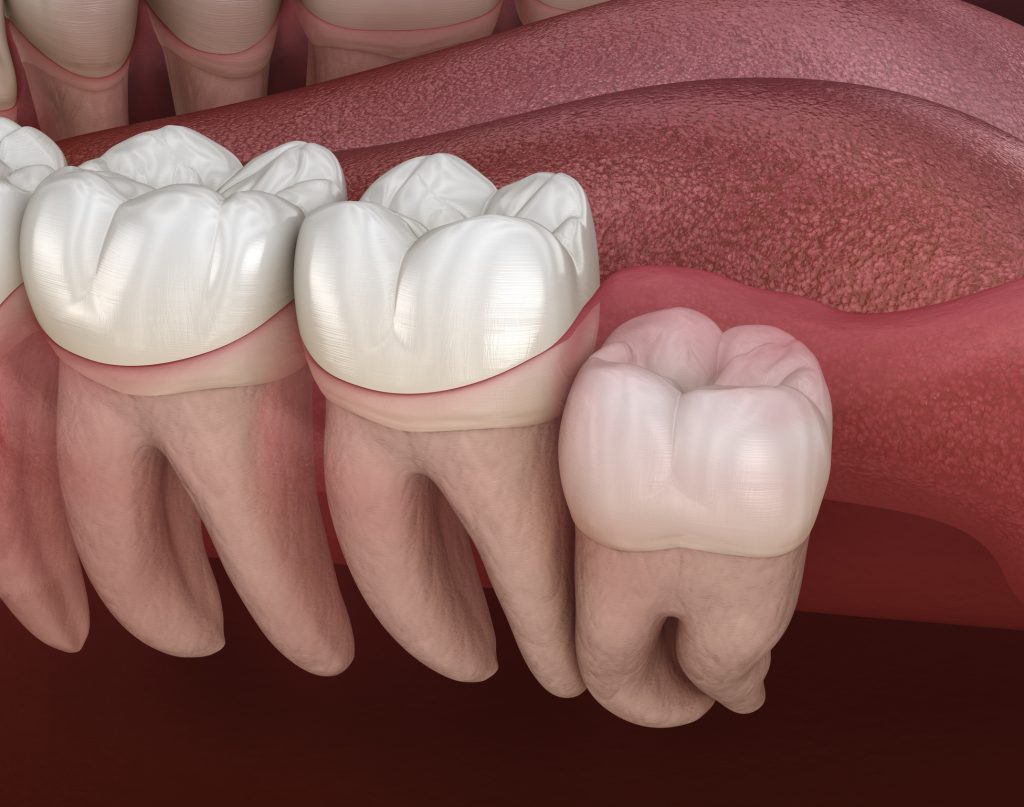
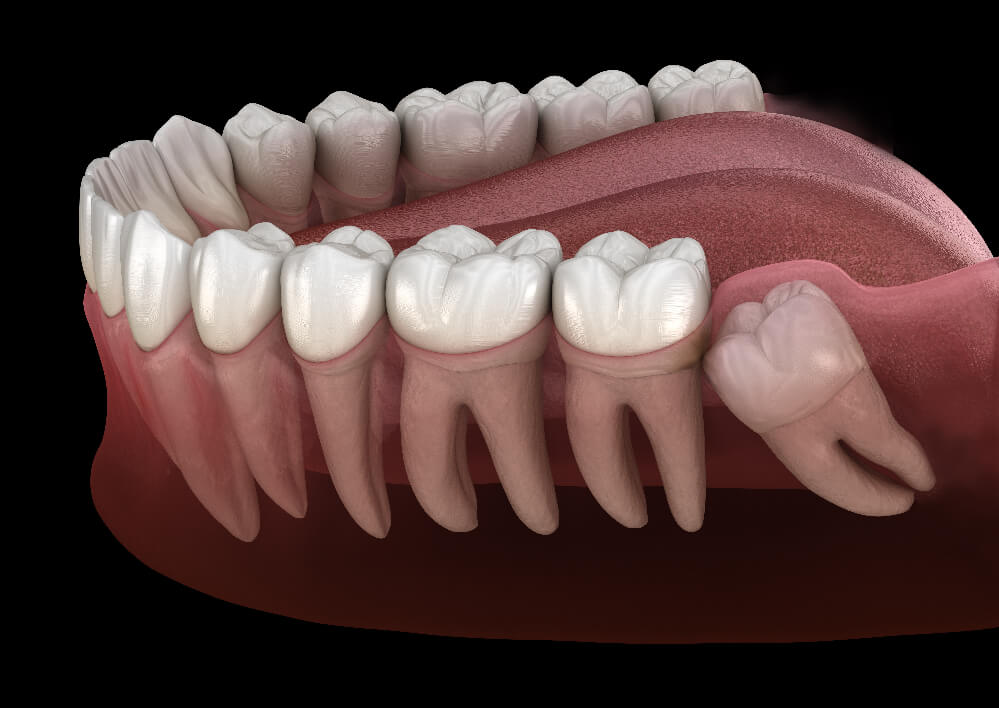
Wisdom teeth, also called third molars, are the last set of molars to emerge, typically in late adolescence or early adulthood. They often cause complications like crowding, impaction, or infections due to their hard-to-reach location.
From a dental anatomy perspective, wisdom teeth are fascinating because they represent vestigial structures remnants of our evolutionary ancestors who required extra chewing power. Modern diets have reduced the necessity of these molars, which may explain why complications are so common.
A key consideration is how oral hygiene interacts with these teeth. Food particles and bacteria tend to accumulate around partially erupted wisdom teeth, increasing the risk of pericoronitis (gum inflammation). Understanding this connection can clarify why dental professionals often emphasize pre-surgery cleaning routines.
Brushing Before Wisdom Teeth Extraction: What Science Suggests
Many patients ask: “Can I brush my teeth before wisdom teeth removal?” The simple answer is yes, but the technique matters. Brushing immediately before surgery helps reduce bacterial load, but aggressive brushing near inflamed gums can cause micro-injuries, which may complicate healing.
Key tips for brushing before extraction include:
- Use a soft-bristled toothbrush to avoid gum irritation.
- Brush gently around the back molars where wisdom teeth reside.
- Consider rinsing with a mild antiseptic mouthwash to further reduce bacterial presence.
Studies have indicated that pre-operative oral hygiene can slightly lower post-operative infection rates, though the effect is moderate. The main benefit is psychological: feeling fresh and clean may reduce patient anxiety before surgery.
Flossing and Its Impact on Wisdom Teeth Health
Flossing can be tricky when wisdom teeth are partially erupted or misaligned. Traditional floss may be difficult to maneuver, but specialized flossing tools, such as floss picks or water flossers, provide a more targeted approach.
Effective flossing reduces interproximal plaque and food accumulation, which are hotspots for bacteria around wisdom teeth. Although clinical studies on flossing immediately before extraction are limited, routine flossing is generally correlated with healthier gum tissue and less post-operative inflammation.
Mouth Rinses: Boosting Cleanliness Before Surgery
A final step in pre-extraction oral care is using a mouth rinse. Research suggests that chlorhexidine gluconate or alcohol-free antiseptic rinses can temporarily reduce bacterial load around the molars.
For patients with partially erupted wisdom teeth, rinsing can reach areas where brushing is challenging. Using a rinse 30 minutes before your appointment is a common recommendation in dental protocols, providing an extra layer of cleanliness without risking gum trauma.
Timing: When to Brush Relative to Your Extraction
Timing is crucial. Brushing too close to the appointment, especially vigorously, may irritate sensitive tissue, while brushing hours beforehand might leave residual food particles. A balanced approach is:
- Brush gently 1–2 hours before surgery.
- Avoid strong pressure or electric toothbrushes directly on inflamed areas.
- Rinse lightly 10–15 minutes before arriving at the clinic.
Dental professionals often emphasize that maintaining calm, steady oral hygiene is more beneficial than attempting an overly thorough or aggressive cleaning right before extraction.
Dietary Considerations Before and After Wisdom Teeth Removal
Oral care is not just about brushing and flossing. Pre-surgery dietary choices can influence oral hygiene effectiveness. Sticky or sugary foods before extraction can exacerbate bacterial buildup, making even careful brushing less effective.
After wisdom teeth removal, patients often transition to a soft or liquid diet. Awareness of food texture and residue helps maintain clean extraction sites and supports healing. Scientific observations show that patients who avoid heavy, sticky, or acidic foods before and immediately after extraction experience fewer post-operative complications.
Interesting Facts About Wisdom Teeth and Oral Hygiene
- Evolutionary relics: Some anthropologists argue that modern diets may eventually lead to the disappearance of wisdom teeth altogether.
- Variability in eruption: Not everyone develops all four wisdom teeth some may have one or two, and others none at all.
- Microbial hotspots: The posterior region of the jaw is more prone to bacterial colonies due to limited accessibility and saliva flow, making wisdom teeth hygiene uniquely challenging.
These insights highlight why understanding wisdom teeth care is more than a procedural step it’s a glimpse into oral microbiology and evolutionary biology.
Preparing for Your Wisdom Teeth Extraction
Brushing before wisdom teeth removal is generally safe and beneficial if done thoughtfully. Gentle brushing, selective flossing, and a mild rinse contribute to cleaner oral conditions and a more comfortable surgical experience.
While there is no strict “rule” for pre-surgery cleaning, the combination of soft brushing, careful flossing, and mild rinsing forms a practical routine grounded in both science and patient experience. Understanding the anatomy, microbial risks, and timing ensures that you approach your extraction with confidence and knowledge.
Ultimately, caring for your wisdom teeth is not just about avoiding pain it’s about cultivating awareness of oral health that lasts a lifetime.

 Dijital Performans Ajansı.