

Teeth whitening has become one of the most popular cosmetic dental procedures worldwide. From celebrities flaunting dazzling smiles to everyday individuals seeking a boost in confidence, the demand for a brighter smile has surged. Teeth whitening is often viewed as a simple and effective way to enhance appearance, but many wonder: at what age is it safe or appropriate to begin whitening treatments?
What Will You Read?
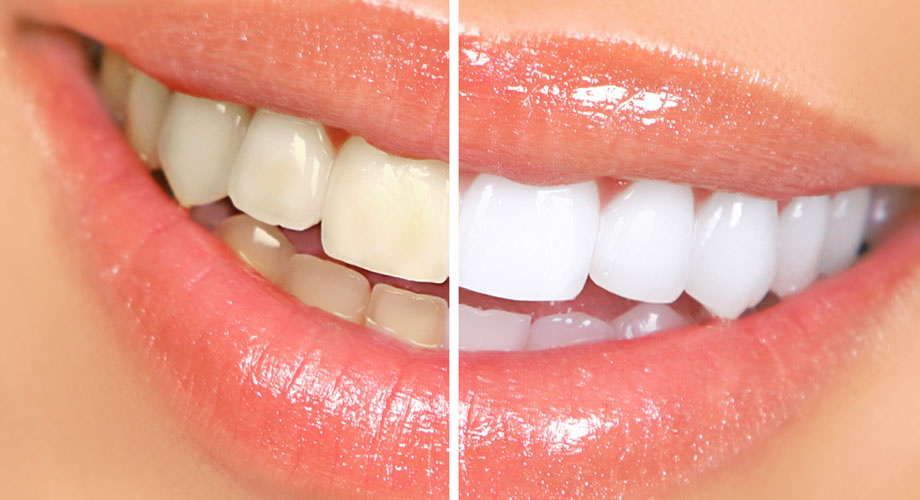
Understanding Teeth Whitening
Teeth whitening is a procedure aimed at lightening the color of teeth, often by removing stains or discoloration caused by food, beverages, smoking, or aging. Whitening methods range from professional treatments performed by dentists to at-home kits and over-the-counter products. While the principle behind teeth whitening is similar across methods breaking down compounds that cause discoloration the strength of the agents and the method of application differ.
The science behind whitening involves oxidizing agents, typically hydrogen peroxide or carbamide peroxide, which penetrate the enamel and break down chromogens molecules that cause staining. Younger teeth tend to respond more effectively due to their denser and less porous enamel. However, age-related factors, enamel thickness, and sensitivity should be considered when determining the right timing for whitening.
The Ideal Age for Teeth Whitening
Determining the appropriate age for teeth whitening is not an exact science. Dental professionals generally suggest that permanent teeth must be fully developed before considering any whitening procedures. Typically, this milestone occurs between ages 14 and 16 for most individuals. During this period, enamel is mature enough to handle bleaching agents safely without significant risk of irritation or structural damage.
However, age is not the only factor. Oral health, presence of cavities, gum health, and history of enamel erosion all influence whether whitening is advisable. Even after reaching the recommended age range, consulting a dental professional ensures the method and concentration of the whitening agent suit the individual’s unique dental profile.
Professional vs. At-Home Teeth Whitening
Teeth whitening can be approached through professional treatments or at-home methods. Professional whitening usually involves higher concentrations of bleaching agents and often incorporates protective measures for gums and sensitive areas. This approach allows precise control over whitening levels, which can reduce risks and provide more uniform results.
At-home whitening kits are convenient and accessible but typically employ milder agents. They require careful adherence to instructions, as overuse or improper application may cause enamel sensitivity or uneven whitening. Age considerations are equally important in home treatments; younger users should avoid high-strength kits and seek products specifically formulated for teenagers or young adults.
Factors Influencing Teeth Whitening Effectiveness
The effectiveness of teeth whitening is influenced by several factors, including the type of stains, natural tooth color, and enamel composition. Extrinsic stains, caused by coffee, tea, or tobacco, often respond well to whitening. Intrinsic stains, such as discoloration from trauma, medication, or genetic factors, may require more advanced procedures.
Enamel thickness plays a crucial role in how well teeth respond to whitening. Younger teeth generally have thicker enamel, providing a more even surface for bleaching agents to act upon. Conversely, older teeth may exhibit yellowing due to dentin exposure and enamel thinning, which can affect the uniformity of whitening results.
Risks and Considerations for Younger Individuals
Although teeth whitening is generally safe when conducted appropriately, younger individuals face specific considerations. Enamel sensitivity, gum irritation, and uneven results are potential side effects if treatments are applied too early or improperly. It is essential to balance cosmetic desires with dental health, ensuring that whitening does not compromise tooth integrity or oral comfort.
Moreover, frequent or aggressive use of whitening products can accelerate enamel wear, which may not be immediately noticeable but can lead to long-term dental issues. This reinforces the importance of professional guidance and selecting age-appropriate products.
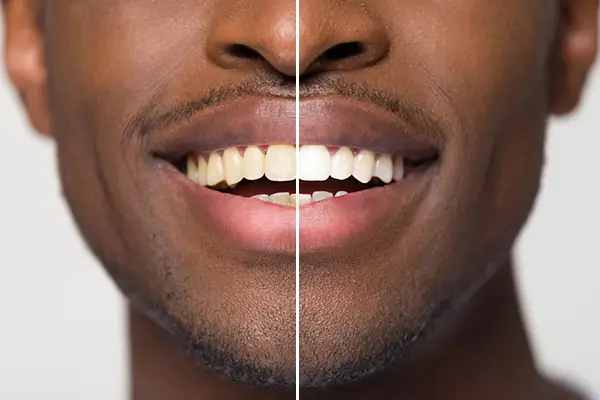
Alternatives to Traditional Teeth Whitening
For those who are not yet ideal candidates for teeth whitening, alternative approaches can help improve smile aesthetics without chemical bleaching. Dental cleaning, polishing, and microabrasion can remove surface stains and brighten teeth naturally. Additionally, cosmetic procedures like veneers or bonding offer long-lasting improvements for discolored teeth, especially when intrinsic stains are present.
Diet and lifestyle adjustments also play a significant role in maintaining natural whiteness. Reducing consumption of staining foods, drinking water after meals, and practicing consistent oral hygiene can enhance the brightness of teeth without requiring bleaching treatments.
Myths and Misconceptions About Teeth Whitening
There are numerous myths surrounding teeth whitening, particularly concerning age. One common misconception is that whitening is unsafe for anyone under 18. While caution is advised, certain supervised treatments can be safe for teenagers with mature teeth. Another misconception is that whitening weakens teeth permanently. Scientific evidence shows that when used correctly, bleaching agents do not harm enamel structure or strength.
Understanding these nuances helps individuals make informed decisions and avoid unnecessary risks. Knowledge about how whitening works, coupled with awareness of age-related considerations, allows for smarter, safer cosmetic choices.
Teeth whitening is a highly sought-after cosmetic dental procedure that can significantly enhance confidence and aesthetics. While there is no one-size-fits-all age, dental professionals generally recommend waiting until permanent teeth are fully developed, usually in the mid-teens. Factors such as enamel health, sensitivity, and type of discoloration play a critical role in determining suitability.
Professional guidance remains essential to ensure safe and effective outcomes, whether pursuing in-office treatments or at-home solutions. Alternatives like dental cleaning or cosmetic restorations offer additional options for younger individuals. Ultimately, understanding the science, benefits, and limitations of teeth whitening empowers individuals to achieve a brighter smile safely and confidently.
Teeth whitening is more than just a cosmetic trend it is a scientific process that, when approached thoughtfully, can provide long-lasting aesthetic satisfaction. By considering age, oral health, and the most suitable methods, anyone can make informed choices about brightening their smile without compromising dental integrity.

 Dijital Performans Ajansı.