

The rapid evolution of Dental Care is reshaping the way clinics diagnose, restore, and design treatments. Innovative tools like artificial intelligence and advanced 3D printing systems are transforming traditional workflows into efficient and highly personalized experiences. As technology becomes more accessible, patients and dentists are beginning to witness methods that once felt futuristic. Today these tools are no longer predictions but active components of a new era in oral health.
What Will You Read?
How AI is Transforming Modern Dental Care
Artificial intelligence is becoming an essential part of next generation Dental Care. Instead of relying solely on manual interpretation, AI driven systems analyze large sets of imaging data and identify subtle dental patterns that may be missed during routine examinations. The advantage lies in the model’s ability to learn from thousands of examples, revealing connections that might otherwise remain hidden.
Many studies explore the expanding role of machine learning in oral evaluations. Some systems can detect early structural changes or locate areas that require closer inspection. Other AI tools process digital scans to help improve planning for restorations or orthodontic treatments. This adds consistency and expands the accuracy of ongoing clinical decision making.
Beyond imaging, AI driven scheduling tools and virtual assistants are also reshaping everyday workflow in clinics. These systems help streamline appointments, manage treatment records, and support smoother communication between patients and providers. Together these innovations demonstrate how AI contributes not just to diagnostics but also to the entire experience surrounding modern care.
How 3D Printing Enhances Precision in Dental Care
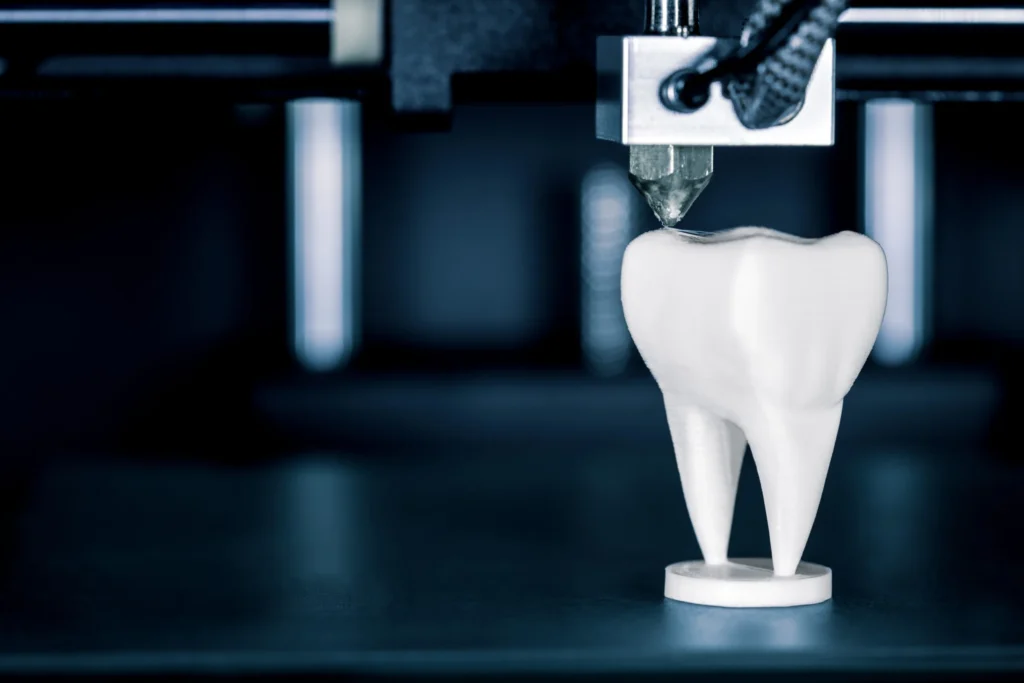
The emergence of 3D printing has opened an entirely new dimension in Dental Care. Traditional manufacturing methods often require multiple steps and adjustments, but 3D printing condenses these processes into a single automated workflow. Using digital impressions, clinicians can create accurate restorations with consistent detail.
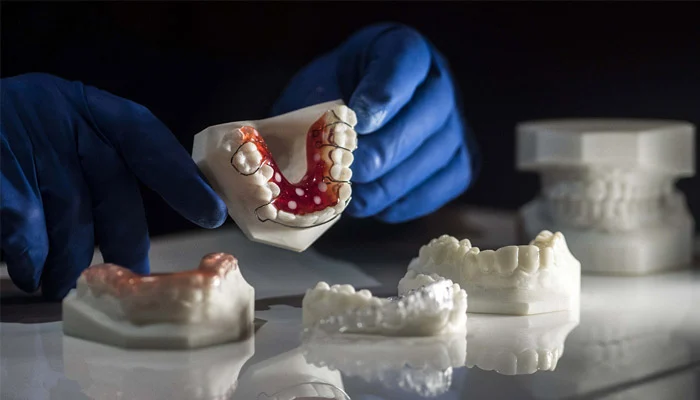
One of the most impressive developments is the ability to produce custom crowns, veneers, aligners, and surgical guides within hours. This rapid production reduces wait times and offers dentists full control over the shape and structure of the application. The digital nature of the process also reduces the chance of human error.
Different printing materials continue to evolve. Resin based compounds can simulate enamel like textures, while flexible polymers adapt to soft tissue applications. These materials are selected based on the clinical scenario, adding versatility to the entire treatment process. The combination of digital design and automated fabrication brings a new level of personalization that traditional methods struggled to achieve.
The Growing Relationship Between AI and 3D Printing in Dental Care
AI and 3D printing do not function as isolated tools. When combined, they form a powerful ecosystem that elevates Dental Care to new standards. AI models analyze data, predict structural needs, and generate digital blueprints. 3D printing then transforms these blueprints into physical restorations with exact measurements.
This collaboration reduces the number of manual steps required, which saves time and enhances outcome consistency. Some early research models showcase AI algorithms capable of predicting the best geometric structure for dental restorations, helping clinicians minimize material waste while improving fit. The printed restorations benefit from improved precision due to real time data driven design.
For complex procedures such as implant surgery or full mouth rehabilitation, the integration of these technologies offers improved guidance. Digital plans generated through AI can be translated into printed surgical guides that help enhance alignment accuracy. This interaction shows how digital transformation is shaping the next stage of patient centered dentistry.
The Role of Fluoride in Strong, Cavity Resistant Teeth
Fluoride remains a cornerstone of modern preventive dentistry because of its proven ability to strengthen enamel and significantly reduce the risk of tooth decay. When fluoride interacts with the surface of your teeth, it helps rebuild weakened enamel by promoting remineralization. This process restores lost minerals and makes your teeth more resilient to daily acid exposure from food, drinks, and oral bacteria.
Using a fluoride toothpaste twice a day provides continuous protection, especially for people who experience sensitivity or early signs of enamel wear. Children benefit from fluoride even more because it supports proper tooth formation, helping them develop stronger and decay resistant teeth as they grow. Adults, on the other hand, rely on fluoride to maintain enamel integrity and prevent cavities that can form in hard to reach areas.
Why Consistent Dental Checkups Matter for Lifetime Oral Health
Regular dental checkups are one of the most effective habits for preserving healthy teeth throughout life. Even with excellent brushing and flossing, plaque and tartar can accumulate in areas that are difficult to clean at home. Routine examinations allow dentists to detect early signs of decay, gum inflammation, enamel erosion, and bite problems before they develop into more complex issues. Early diagnosis not only prevents discomfort but also reduces the need for costly future treatments.
During a professional cleaning at DentRoute, dental hygienists remove stubborn tartar buildup that cannot be eliminated through daily brushing. This process helps prevent gum disease, which is one of the leading causes of tooth loss in adults. Additionally, regular cleanings keep the mouth feeling fresher and can improve the appearance of your smile by reducing surface stains.
Checkups also provide an opportunity for personalized advice. DentRoute specialists assess your brushing techniques, fluoride use, dietary habits, and risk factors such as dry mouth or acid exposure. They may recommend preventive treatments like fluoride applications, sealants, or periodontal care tailored to your needs. By staying consistent with dental visits every six months, patients maintain stronger teeth, healthier gums, and long term oral stability.

 Dijital Performans Ajansı.