

Dental reconstruction is an increasingly discussed field in modern dentistry, bridging the gap between functional restoration and aesthetic enhancement. Many people associate it only with cosmetic improvements, yet its scope extends far beyond that. Understanding what dental reconstruction entails, its techniques, and the situations in which it becomes necessary can illuminate its critical role in oral health.
What Will You Read?
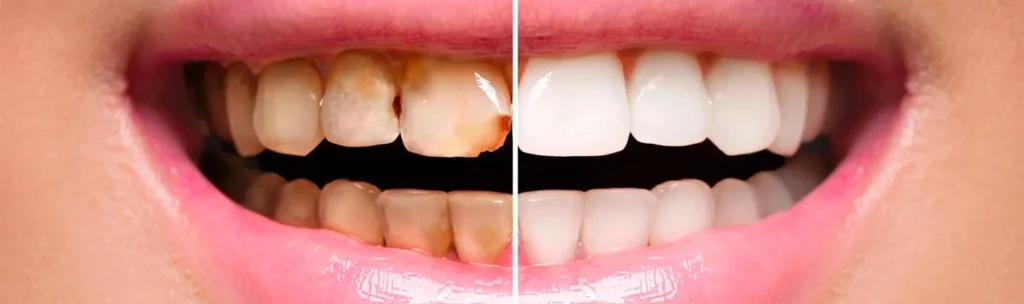
Understanding the Basics of Dental Reconstruction
At its core, dental reconstruction refers to the process of repairing or rebuilding teeth that have suffered damage due to decay, trauma, or congenital anomalies. Unlike simple fillings or cleanings, this field combines restorative, cosmetic, and sometimes surgical approaches to ensure both functionality and appearance.
Dental reconstruction can include procedures such as crowns, bridges, implants, veneers, and bone grafting. Each method is chosen based on the severity of the damage, patient needs, and long-term oral health goals. By integrating both preventive and corrective strategies, dental reconstruction ensures that the restored teeth do not just look good but function optimally.
The science behind dental reconstruction has evolved significantly over the past decades, driven by advancements in biomaterials, digital imaging, and precision dentistry.
When Is Dental Reconstruction Necessary?
The necessity for dental reconstruction arises in multiple scenarios. One common cause is severe tooth decay, which compromises both structure and integrity. Another is trauma, such as accidents that result in chipped, fractured, or missing teeth. Moreover, congenital anomalies like enamel hypoplasia or malformed teeth may also require reconstruction.
A less obvious but critical reason is bite misalignment or occlusal dysfunction. Over time, poor alignment can lead to uneven wear, jaw pain, or temporomandibular joint disorders. Dental reconstruction addresses not only the aesthetic issues but also the underlying functional problems, preventing further complications.
Key Techniques in Dental Reconstruction
Modern dental reconstruction employs a variety of techniques, each tailored to specific needs:
- Dental Implants: Titanium or ceramic posts replace missing tooth roots, providing a stable foundation for crowns or bridges.
- Crowns and Bridges: These restore damaged or missing teeth, improving chewing efficiency and appearance.
- Veneers: Thin porcelain or composite shells cover imperfections, primarily for aesthetic enhancement.
- Bone Grafting: Used to rebuild jawbone structure, essential before implant placement in patients with bone loss.
- Full-Mouth Reconstruction: Combines multiple procedures for patients with extensive dental damage.
The choice of technique depends on factors like oral health, age, and patient expectations. Each method requires precise planning and execution, highlighting the sophistication of modern dental reconstruction.
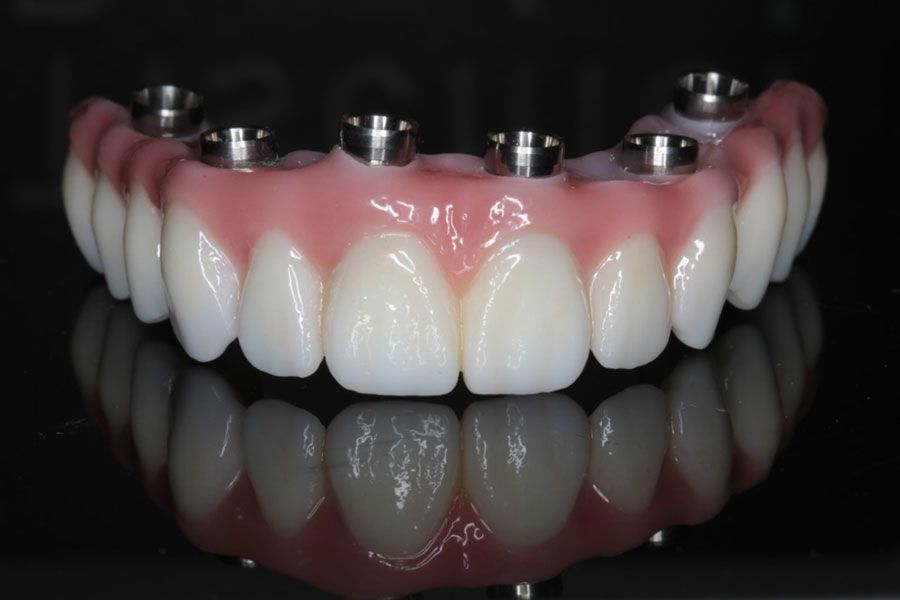
Materials Used in Dental Reconstruction
The success of dental reconstruction is largely determined by the materials used. Advances in biomaterials have led to the development of highly durable, biocompatible, and aesthetically pleasing options:
- Ceramics and Porcelain: Highly aesthetic, mimicking natural tooth enamel.
- Composite Resins: Versatile and cost-effective, suitable for both restorations and veneers.
- Titanium and Zirconia: Used primarily for implants due to strength and biocompatibility.
- Gold Alloys: Rarely used today but still valued for durability in certain restorative procedures.
Selecting the appropriate material ensures longevity, natural appearance, and patient satisfaction in dental reconstruction.
Benefits of Dental Reconstruction
While the aesthetic appeal is often highlighted, the benefits of dental reconstruction extend much further:
- Improved Oral Function: Restores chewing and speaking abilities.
- Enhanced Appearance: Corrects discoloration, alignment issues, and missing teeth.
- Prevention of Further Damage: Addresses underlying issues to avoid future complications.
- Boosted Confidence: A complete, healthy smile can positively impact social interactions and mental well-being.
In many cases, patients experience a significant improvement in quality of life following comprehensive dental reconstruction.
Risks and Considerations
Like all medical procedures, dental reconstruction carries some risks. These may include infection, implant failure, or sensitivity after procedures. Choosing an experienced dental professional and adhering to post-procedure care significantly reduces these risks.
It’s also essential to consider cost, recovery time, and maintenance requirements. While dental reconstruction is a long-term investment, informed decisions and realistic expectations are key to achieving optimal outcomes.
The Future of Dental Reconstruction
The future of dental reconstruction is promising, with emerging technologies enhancing precision and patient experience. Digital dentistry, including 3D imaging and printing, allows for highly personalized treatments. Regenerative approaches, such as stem cell therapies and tissue engineering, are on the horizon, potentially transforming how damaged teeth are restored.
As technology continues to evolve, dental reconstruction may shift from reactive repair to proactive regeneration, offering solutions that are both functional and aesthetically seamless.
Dental reconstruction is a complex, multifaceted field that merges art, science, and technology to restore teeth and smiles. Its necessity extends beyond cosmetic desires, addressing functional, structural, and long-term oral health needs. With ongoing advancements in materials and techniques, dental reconstruction continues to redefine what is possible in modern dentistry.
By understanding its principles, techniques, and applications, patients and professionals alike can appreciate the transformative impact of dental reconstruction on oral health and quality of life.

 Dijital Performans Ajansı.