

Many parents first notice grinding teeth behavior during the day and are unsure what this tiny yet intense sound represents. Babies often move their jaws rhythmically as they explore new sensations, and this action becomes a natural part of how they interpret the world. The motion may seem surprising, but it is frequently tied to curiosity and early developmental patterns. Understanding when and why it appears offers valuable insight into an infant’s sensory world.
During playtime or moments of focused attention, babies may shift their jaws or press their teeth together to explore unfamiliar textures, movements or oral sensations. Instead of viewing the behavior as a worrying sign, many caregivers find that observing its timing and frequency helps clarify what their child is experiencing. Even though the sound can be sharp, the underlying reasons are often much softer and rooted in exploration.
What Will You Read?
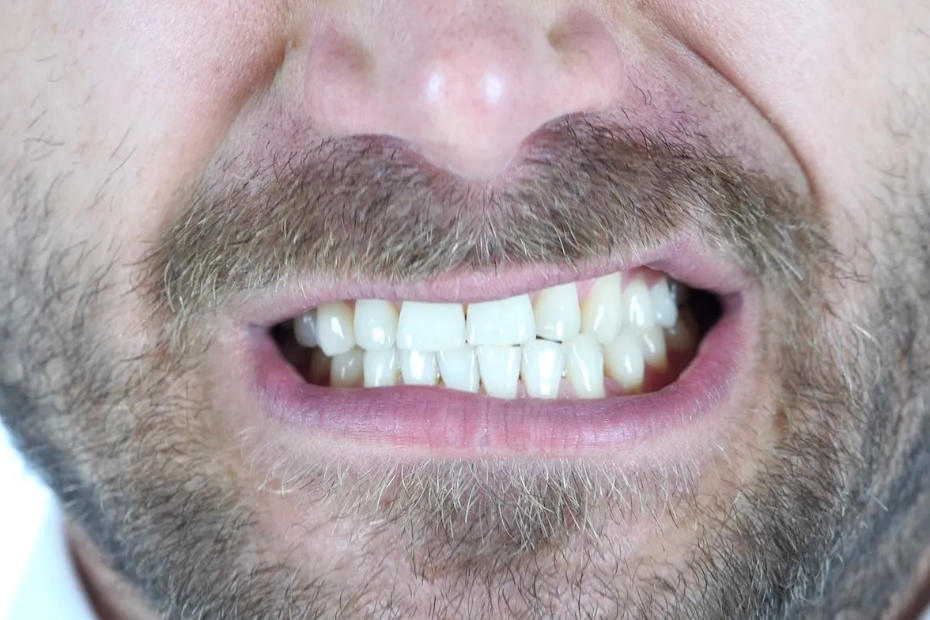
Developmental Patterns Behind Grinding Teeth in Infants
There are several developmental phases in which grinding teeth is more common. Many infants begin experimenting with jaw movements when new teeth emerge. The unfamiliar feeling of new surfaces inside the mouth encourages them to adjust their bite, slide their teeth or bring their jaws together in different ways. These actions can create the noticeable grinding sound many caregivers recognize immediately.
But tooth eruption is not the only factor. Babies often explore muscle coordination through repetitive motions, and the jaw becomes part of this experimentation. Researchers suggest that these repeated movements help infants understand how the mouth responds to pressure and alignment. Watching how your baby behaves before and after the grinding moments can reveal whether the behavior is linked to curiosity, soothing or simple muscle exploration.
Why Babies Might Explore Sensory Input Through Grinding Teeth
For many infants, the mouth is the center of sensory discovery, making grinding teeth a natural part of this exploration. Different pressures, textures and movements deliver new information to the developing nervous system. The grinding action may help babies interpret unfamiliar sensations or test how their jaws respond when interacting with new stimuli.
Some babies are more sensitive to tactile or auditory feedback and may repeat jaw movements simply because the sensation feels interesting. A temperature shift, new taste or even a different jaw position can trigger this rhythmic motion. Observing the context what the baby was doing, seeing or touching often provides a better understanding of how sensory input shapes the behavior.
Environmental Triggers That May Lead to Grinding Teeth
In some infants, environmental factors can increase grinding teeth behavior. Bright lights, new toys, increased movement or an unfamiliar setting can boost sensory stimulation. When the baby’s attention becomes heightened, small jaw movements may appear unexpectedly and briefly.
Environmental triggers also include sounds, textures or interactions with new people. A stimulating environment often encourages infants to move their bodies more actively, including their jaws. Noting whether the grinding occurs in specific rooms, during certain activities or around certain objects can help identify subtle triggers.
Behavioral Interpretations of Daytime Teeth Movements
Daytime grinding teeth behavior often reflects a baby’s natural rhythms and tendencies. Some infants express excitement with physical motions, while others engage in repetitive movements when concentrating. This means the behavior can carry different meanings depending on personality, mood and routine.
For example, a baby who experiments with objects using their hands may simultaneously explore jaw movements. Another baby may grind their teeth only during moments of focused observation. Because these variations are so individualized, interpreting the behavior requires patience and attention to detail rather than quick conclusions. Studies on infant behavior emphasize that repetition and sensory discovery shape many actions during early development.
Common Patterns That Help Identify Meaning Behind Grinding Teeth
Caregivers often observe recurring patterns in grinding teeth behavior. If the grinding occurs at the same time every day, it may be part of a predictable routine linked to alertness or sensory curiosity. On the other hand, if the behavior appears suddenly and disappears just as quickly, it may simply reflect a new discovery the baby is testing.
Tracking these patterns can reveal how the baby adapts to growth and changing sensations. For instance, the grinding may be more noticeable during early teething periods but fade later. Alternatively, a baby might increase jaw movements when experiencing new sights, sounds or textures. These observations offer meaningful clues about developmental progress and sensory perception.
Connections Between Grinding Teeth and Oral Discovery
Parents often notice that grinding teeth accompanies moments when babies are learning to coordinate their tongues, cheeks and jaw muscles. This oral discovery stage plays a crucial role in how infants begin forming early eating skills and future speech patterns. The grinding movement may help them sense how the jaw shifts when applying different levels of contact between the teeth.
Infants also use the motion to familiarize themselves with the spacing inside their mouths. As new teeth emerge, the distance between upper and lower surfaces constantly changes. Babies may test this shifting structure by bringing teeth together, sliding them slightly or pressing them in new directions. These small experiments help them understand the limits and possibilities of their own anatomy, much like how they explore hand control or leg movement during crawling development.
How External Stimuli Influence Daytime Grinding Teeth Behavior
Visual, auditory and tactile stimulation can affect grinding teeth frequency. When an infant encounters something unexpected, the body often responds with small, involuntary motions. Jaw movements can become part of these spontaneous reactions, especially in babies who are more receptive to environmental shifts.
For example, a sudden burst of color or sound may encourage jaw tightening or a brief grinding motion. Similarly, the texture of a new teether or a change in the caregiver’s voice tone can prompt a sensory response. These connections highlight how external stimuli create subtle physical reactions that are often mistaken for more serious issues. Studying these patterns provides insights into how infants interpret their environments through micro movements.
The Role of Emotional Responses in Grinding Teeth Habits
Although emotions in infants are still developing, they can influence grinding teeth tendencies. Babies often express excitement, frustration or curiosity through physical reactions. Jaw movements can serve as part of these early expressive patterns, especially when infants are still learning to differentiate between various feelings.
During transitions between activities such as shifting from play to rest some babies grind their teeth briefly. These transitional moments reflect adjustments in alertness and engagement. Observing when the grinding appears in relation to emotional cues can shed light on what the baby might be processing internally. Some researchers note that repetitive motions, including jaw actions, may create a sense of rhythm or predictability for the infant.
Analyzing Grinding Teeth Through Growth Patterns
As babies grow, skeletal, muscular and neurological development evolves rapidly, giving context to grinding teeth behaviors. The jaw joint becomes more flexible in early childhood, and the surrounding muscles undergo constant adaptation. The grinding motion may reflect the body’s natural process of discovering how these structures interact.
Growth patterns also include shifts in bite alignment. Because infants lack a stable occlusal relationship early on, even small changes in tooth position may trigger exploratory grinding. This makes the motion more noticeable during major dental milestones. Observing grinding habits across months rather than days or weeks provides a more accurate understanding of which developmental stage the behavior aligns with.
Less Common but Meaningful Associations With Grinding Teeth
While grinding teeth is usually tied to sensory exploration or developmental patterns, some infants exhibit the habit during moments of intense concentration. When babies focus on small objects, lights, or movements, they often tighten various muscle groups unconsciously. The jaw can subtly engage during this type of focus, creating the grinding sound.
Another less common association is imitation. Babies closely observe caregivers and siblings, and on rare occasions, may mimic mouth or jaw movements. Although this is not typical for grinding behavior, imitation represents an interesting layer in understanding infant habits. It underscores how social observation shapes patterns even at very early ages.
Understanding Grinding Teeth as a Temporary Developmental Phase
Ultimately, many caregivers discover that grinding teeth is a temporary phase connected to growth, discovery and sensory adaptation. As infants gain greater control over their oral movements, the grinding often fades naturally. Once they become more accustomed to chewing patterns, textures and jaw coordination, the motion gradually becomes less appealing or necessary.
Recognizing the temporary nature of this behavior helps reduce unnecessary concern and allows caregivers to focus on observing its patterns rather than reacting abruptly. This perspective also supports a deeper appreciation of how infants experiment with their bodies as part of natural development. In many cases, the behavior acts as a reminder of how rapidly the early stages of growth unfold.
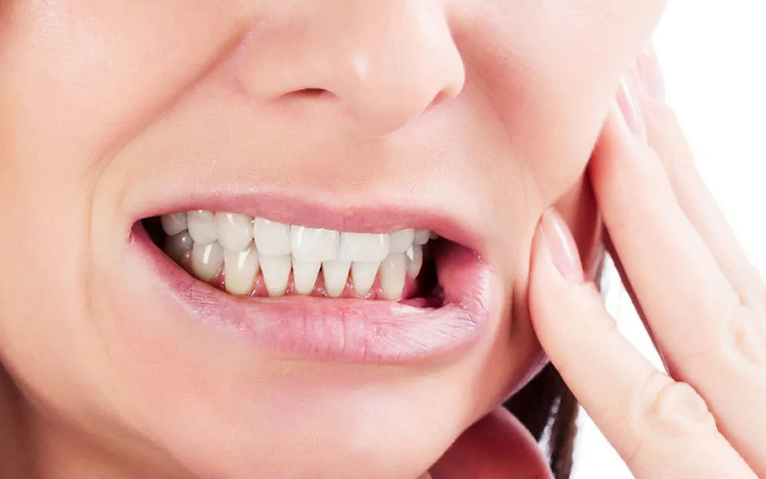
Why Some Babies Prefer Specific Moments for Grinding Teeth
Many caregivers observe that grinding teeth becomes more frequent during predictable parts of the day. These moments often align with transitions, such as moving from active play to calmer activities or adjusting to new surroundings. Infants sometimes use repetitive jaw motions as their bodies shift between different states of alertness.
Another reason is that certain parts of the day create ideal sensory conditions. For instance, softer lighting or quieter environments allow babies to tune in more closely to internal sensations, including jaw movement. These subtle variations throughout the day turn the grinding habit into a rhythmic behavior that reflects environmental flow rather than a fixed pattern.
Distinguishing Grinding Teeth From Other Oral Movements
It is common for parents to confuse grinding teeth with chewing motions, gum rubbing or small jaw shifts. Each of these actions serves a different developmental function. Chewing motions often reflect imitation or early feeding skills, while gum rubbing may relate to the tactile curiosity that appears during teething periods.
Grinding differs because it involves lateral or back and forth sliding of the teeth rather than simple pressure. This distinction is useful for understanding what infants are exploring through the motion. Babies who engage in grinding are often testing the edges of their bite, discovering new contact points or gauging the coordination between upper and lower dental surfaces.
Patterns That May Accompany Grinding Teeth During Growth
Parents often report that grinding teeth aligns with broader developmental leaps. These leaps may include changes in hand coordination, crawling improvements or advances in vocal experimentation. Because infants experience multiple growth milestones simultaneously, the grinding motion may simply parallel other emerging abilities.
Some babies also display enhanced curiosity about their surroundings during these growth phases. Increased alertness and awareness often involve trying new movements, including those with the jaw. Such patterns indicate that grinding can be part of a larger cluster of new behaviors emerging around the same time.
Sensory Regulation and Grinding Teeth in Infants
Many specialists studying early childhood development note that sensory regulation plays a key role in grinding teeth behavior. Babies continuously balance stimulation from their environment with their own internal cues. Grinding may offer sensory feedback that helps them recalibrate when they feel overwhelmed or overly stimulated.
The rhythmic sensation created through tooth contact may mimic other self-directed motions, such as rocking or hand flapping. These motions help infants manage their internal states as they process unfamiliar stimuli. In this sense, grinding becomes part of a broader strategy for organizing sensory input during complex developmental phases.
Contextual Clues for Understanding Grinding Teeth Habits
When infants engage in grinding teeth , contextual details often reveal deeper insights. Elements such as lighting, recent activities or the presence of unfamiliar objects can influence how frequently the behavior appears. For example, a sudden shift from outdoor brightness to indoor softness may encourage exploration of contrasting sensations, including jaw movement.
Observing grinding in relation to posture can also be helpful. Some babies grind more often when sitting upright, while others show the behavior during floor play. These differences highlight how body position and comfort levels interact with oral exploration. Contextual observation adds valuable nuance to interpreting grinding patterns without jumping to conclusions.
A Broader Understanding of Grinding Teeth in Early Development
Ultimately, the presence of grinding teeth in infants offers a window into the rich world of early sensory exploration. Rather than existing as an isolated behavior, grinding intertwines with emotional expression, cognitive discovery and physical experimentation. Babies rely on these subtle actions as they sort through layers of new information each day.
Seeing the behavior through this broader lens helps caregivers appreciate how infants develop unique ways of understanding their environment. Grinding often fades naturally as babies gain better mouth control and transition into more coordinated chewing and speaking patterns. This makes the behavior an intriguing yet temporary part of early childhood development.

 Dijital Performans Ajansı.