

In modern dentistry, tooth remineralization has emerged as a fascinating process that goes beyond simple cavity prevention. This natural mechanism restores minerals lost from the tooth enamel, potentially reversing early stages of decay and strengthening teeth from within. Scientists and dental researchers are increasingly interested in understanding how tooth remineralization works and how it can be optimized through daily habits, professional treatments, and advanced dental products.
What Will You Read?
The Science Behind Tooth Remineralization
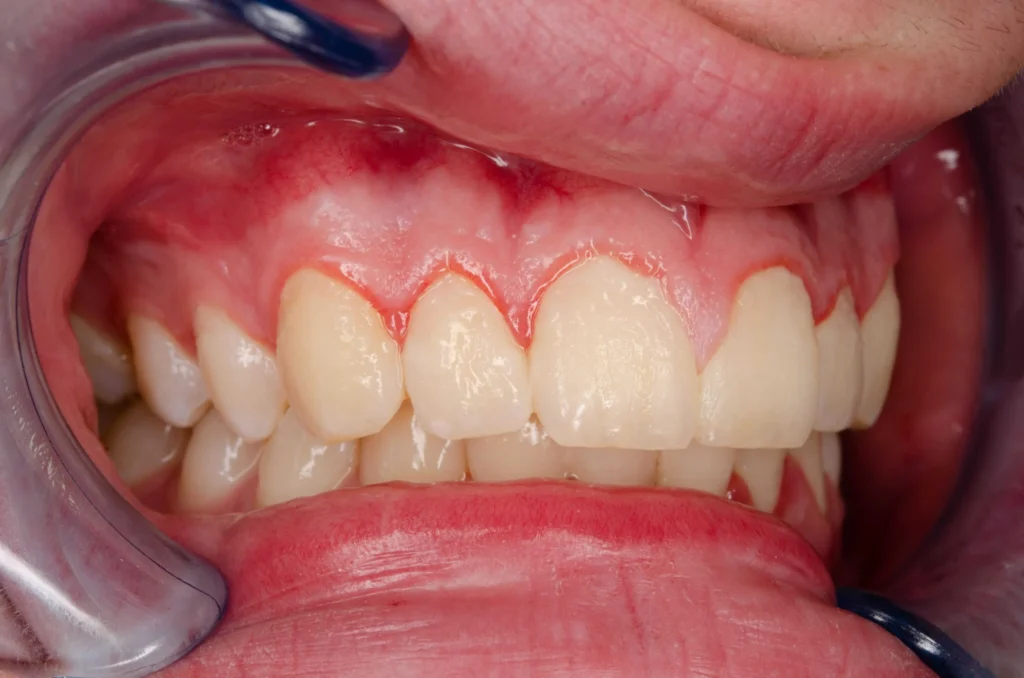
Tooth remineralization is fundamentally a biochemical process. Enamel, the outer layer of the tooth, is primarily composed of hydroxyapatite crystals a crystalline form of calcium phosphate. Throughout the day, enamel is subjected to demineralization due to acids produced by bacteria when sugars and carbohydrates are metabolized. Remineralization counteracts this effect by depositing essential minerals like calcium, phosphate, and fluoride back into the enamel structure.
Researchers have noted that this cycle of demineralization and remineralization is continuous. While demineralization can occur within minutes of acid exposure, tooth remineralization often takes longer and depends on the availability of minerals in saliva and dental products. Innovative studies have shown that enhancing saliva’s buffering capacity and applying fluoride or casein phosphopeptides can significantly improve enamel recovery rates.
Natural Ways to Promote Tooth Remineralization
Maintaining oral health through diet and hygiene is critical for supporting tooth remineralization. Foods rich in calcium, phosphate, and vitamin D provide the raw materials needed for enamel repair. Dairy products like cheese and yogurt, leafy greens, and fortified plant-based alternatives are excellent natural sources.
Saliva also plays a pivotal role. Chewing sugar-free gum, especially those containing xylitol, stimulates saliva production, which enhances the natural mineralization process. Studies highlight that saliva not only provides essential minerals but also helps neutralize acids, creating a favorable environment for tooth remineralization.
Fluoride and Its Role in Tooth Remineralization
Fluoride is a cornerstone in dental care for its ability to promote tooth remineralization. It strengthens enamel by forming fluorapatite, a more acid-resistant mineral than hydroxyapatite. This means teeth are less likely to succumb to acid attacks from bacteria, reducing the risk of cavities.
Topical fluoride treatments, whether in toothpaste, mouth rinses, or professional applications, have been widely researched. Clinical trials demonstrate that consistent fluoride exposure can repair early enamel lesions and enhance enamel hardness over time. For individuals at higher risk of decay, fluoride varnishes or gels applied by dental professionals may be particularly effective.
Advanced Dental Treatments for Remineralization
Beyond natural and topical approaches, dentistry has developed advanced interventions to stimulate tooth remineralization. Casein phosphopeptide-amorphous calcium phosphate (CPP-ACP), often found in specialized dental creams or chewing gums, binds to enamel surfaces and delivers calcium and phosphate ions directly to areas of early decay.
Emerging technologies, such as bioactive glass and nano-hydroxyapatite formulations, are also gaining attention. These substances mimic natural enamel mineralization, filling microcracks and creating a protective layer that promotes long-term tooth strength. Research shows that combining these treatments with conventional fluoride applications can synergistically improve tooth remineralization efficiency.
Diet and Tooth Remineralization
Nutrition directly influences tooth remineralization. Foods rich in minerals such as calcium and phosphate provide the essential building blocks for enamel repair. Cheese, milk, and yogurt are traditional powerhouses, while leafy greens and nuts add plant-based alternatives. Interestingly, certain fruits like apples and pears stimulate saliva flow, which indirectly enhances remineralization by washing away acids and supplying minerals.
Avoiding highly acidic and sugary foods is equally important. Frequent consumption of soft drinks, candies, and processed snacks accelerates demineralization, overwhelming the natural remineralization process. Research suggests that spacing sugar intake and pairing it with high-mineral foods can reduce enamel damage and support tooth remineralization effectively.
Daily Habits That Support Remineralization
Daily routines play a crucial role in reinforcing tooth remineralization. Brushing twice a day with fluoride toothpaste, flossing, and using mineral-enriched mouth rinses maintain an environment conducive to enamel repair.
Chewing sugar-free gum, particularly those containing xylitol or CPP-ACP, stimulates saliva production, which buffers acids and transports minerals to vulnerable areas. Even simple habits like drinking water after meals or limiting acidic beverages can significantly aid tooth remineralization over time.
Comparing Remineralization Methods
| Method | Mechanism | Effectiveness |
| Fluoride Toothpaste | Fluoride ions integrate into enamel | High for early lesions |
| CPP-ACP Products | Direct calcium and phosphate delivery | Moderate to high |
| Nano-hydroxyapatite | Fills microcracks in enamel | Promising, research ongoing |
| Diet & Saliva | Natural mineral supply & acid neutralization | Moderate, long-term impact |
This comparison highlights that no single method is universally sufficient. Combining strategies, like fluoride with CPP-ACP or maintaining a mineral-rich diet, maximizes tooth remineralization outcomes.
Common Misconceptions About Tooth Remineralization
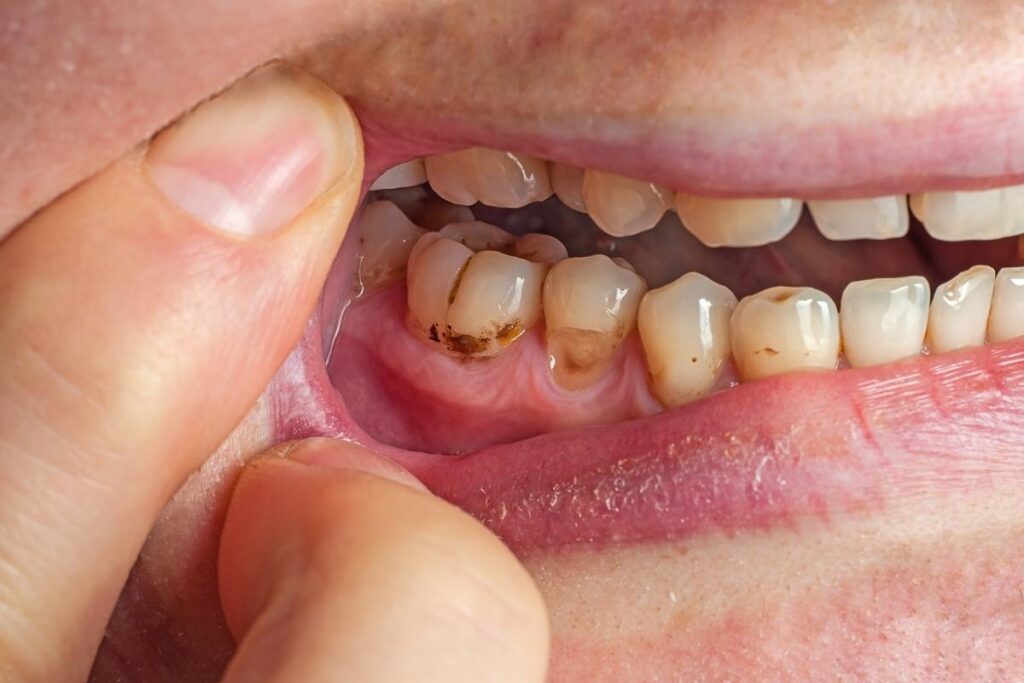
One widespread misconception is that tooth remineralization can fully reverse cavities. While early enamel lesions can be repaired, deeper decay requires professional intervention. Another myth is that all fluoride treatments are equally effective; concentration, application method, and frequency all influence results.
Additionally, some believe that natural products alone, such as dairy or herbal rinses, can restore enamel instantly. In reality, tooth remineralization is a gradual process dependent on mineral availability, saliva quality, and regular care. Understanding these nuances helps patients and dental professionals set realistic expectations.
Innovative Research in Tooth Remineralization
Recent studies have explored bioactive glasses, peptides, and nanotechnology to enhance tooth remineralization. For example, nano-hydroxyapatite toothpaste has been shown to penetrate microscopic enamel cracks and increase surface hardness.
Other research focuses on combining remineralization agents with probiotic therapies. Certain oral bacteria strains may reduce acid production and support mineral deposition. While these methods are still emerging, the potential for more efficient tooth remineralization strategies is promising, reflecting a dynamic intersection of biology, chemistry, and material science.
Future Directions and Practical Implications
As dental science advances, tooth remineralization is poised to become more precise and effective. Personalized dental care, using saliva analysis and genetic profiling, could optimize remineralization strategies for individual patients.
Furthermore, integration with digital dentistry tools like 3D enamel scanning may allow dentists to monitor mineral loss and recovery over time. Patients could receive tailored advice combining diet, oral hygiene, and professional treatments to maximize tooth remineralization. This evolving approach highlights a future where enamel repair is proactive rather than reactive.
Clinical Applications of Tooth Remineralization
In modern dentistry, tooth remineralization is not just a preventive concept it has practical clinical applications. Early-stage enamel lesions, often invisible to the naked eye, can be treated non-invasively through remineralization therapies. Dentists utilize fluoride varnishes, CPP-ACP pastes, and nano-hydroxyapatite treatments to restore mineral content, often avoiding the need for drilling or fillings.
Moreover, tooth remineralization plays a role in managing sensitivity. Worn enamel exposes dentin, causing discomfort. Mineral-rich treatments can fill microscopic enamel gaps, reducing hypersensitivity. Studies show that patients undergoing these therapies report measurable decreases in pain while benefiting from stronger, more resilient teeth.
Long-Term Benefits of Consistent Remineralization
Consistent attention to tooth remineralization offers long-term oral health advantages. Beyond preventing cavities, maintaining mineral-rich enamel preserves the structural integrity of teeth, supporting natural chewing function and reducing the risk of fractures.
Additionally, strong enamel contributes to aesthetic outcomes. White, glossy teeth are often the result of well-mineralized surfaces. Scientific observations suggest that even minor remineralization improvements enhance enamel translucency and reflectivity, subtly improving smile appearance without invasive procedures.
Integrating Tooth Remineralization Into Daily Life
Practical implementation of tooth remineralization strategies is easier than many assume. Combining dietary adjustments, regular brushing with fluoride toothpaste, and adjunct products like CPP-ACP gum creates a supportive environment for enamel repair.
Timing and consistency are key. Brushing immediately after consuming acidic foods can sometimes exacerbate demineralization. Instead, waiting 30–60 minutes allows saliva to neutralize acids, ensuring tooth remineralization occurs effectively. Similarly, spacing mineral-rich meals and snacks encourages continuous natural repair throughout the day.
Potential Challenges and Considerations
Despite its benefits, tooth remineralization is not without challenges. Severe demineralization or cavities beyond enamel depth require restorative intervention. Over-reliance on topical agents without addressing diet or oral hygiene can limit results.
Individual variations in saliva production, oral microbiome composition, and enamel quality also affect remineralization efficiency. Research emphasizes that personalized strategies, combining multiple approaches, yield the most reliable outcomes. Awareness of these nuances ensures realistic expectations and optimal oral health management.
Cutting-Edge Materials in Remineralization
Recent innovations in biomaterials have transformed tooth remineralization techniques. Bioactive glass, for example, releases calcium and phosphate ions gradually, creating a mineral-rich layer on enamel surfaces. Nano-hydroxyapatite particles penetrate tiny enamel defects, effectively “patching” damaged areas.
Researchers are also exploring hybrid approaches, such as combining fluoride with nanomaterials, to amplify remineralization effects. Clinical trials indicate these materials can enhance enamel hardness, reduce microleakage in restorations, and extend the longevity of dental treatments.
The Future of Tooth Remineralization
The journey of tooth remineralization reflects the convergence of natural biology and technological innovation. From diet and saliva management to fluoride, CPP-ACP, and advanced nanomaterials, multiple pathways exist to strengthen enamel and prevent decay.
Looking ahead, personalized dental care will likely dominate the field. Saliva testing, digital enamel mapping, and customized remineralization regimens will empower patients to actively support their oral health. Ultimately, tooth remineralization demonstrates that teeth are not static structures they can repair, strengthen, and adapt when science and daily habits work together.

 Dijital Performans Ajansı.