

Teeth grinding, medically known as bruxism, affects millions worldwide, and the culprits often lie deeper than one might expect. Teeth Grinding can occur during the day or night, but its intensity and frequency are strongly linked to underlying conditions such as chronic stress and sleep apnea. Understanding the relationship between these factors is essential to uncover why so many people unknowingly damage their teeth or jaw structures. In this article, we will explore the scientific evidence, behavioral patterns, and physiological mechanisms behind teeth grinding, shedding light on its surprising connections to mental and physical health.
What Will You Read?
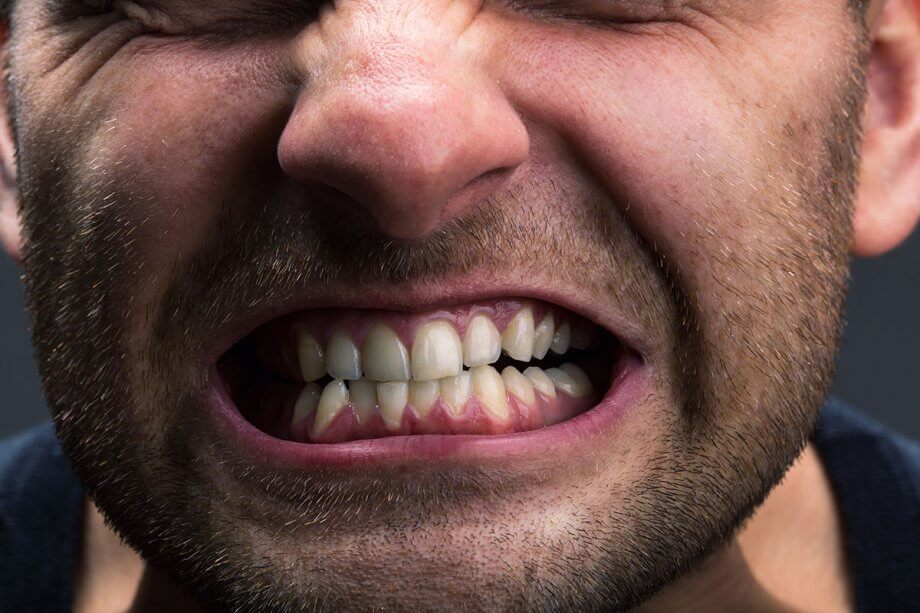
How Stress Triggers Teeth Grinding
Stress is a universal experience, but its effects on oral health are often overlooked. Research suggests that heightened cortisol levels and increased sympathetic nervous system activity can lead to involuntary jaw clenching. Individuals under chronic stress may unknowingly engage in teeth grinding while concentrating or sleeping.
Beyond the mechanical impact, stress-induced grinding can lead to headaches, jaw pain, and even temporomandibular joint disorders (TMJ). Studies show that up to 70% of adults who report high stress levels also experience some form of bruxism, highlighting a strong correlation. Interestingly, even short-term acute stress episodes can trigger temporary spikes in grinding intensity, which, over time, accumulate to more significant dental wear.
Sleep Apnea and Nighttime Teeth Grinding
Sleep apnea, a disorder characterized by interrupted breathing during sleep, is another key contributor to teeth grinding. When breathing is obstructed, the body reacts by increasing muscle activity in the jaw to open the airway, often resulting in nocturnal grinding. Polysomnographic studies reveal that bruxism episodes frequently coincide with apnea or hypopnea events, suggesting a direct physiological link.
Patients with sleep apnea are more likely to develop severe tooth wear, gum recession, and jaw discomfort due to repeated micro-arousals and increased bite force. Continuous positive airway pressure (CPAP) therapy, while primarily for airway management, has also been shown to reduce the frequency of nighttime teeth grinding, emphasizing the importance of identifying sleep apnea as an underlying factor.
The Neurological Connection Between Stress, Sleep, and Teeth Grinding
The nervous system plays a central role in linking stress, sleep disturbances, and teeth grinding. Stress activates the hypothalamic-pituitary-adrenal axis, which can increase motor activity in masticatory muscles. Simultaneously, sleep disruption from apnea triggers micro-arousals, which may unconsciously activate jaw muscles.
Interestingly, neuroimaging studies suggest that the prefrontal cortex and basal ganglia, regions involved in emotional regulation and motor control, exhibit heightened activity in people prone to bruxism. This neurological evidence supports the notion that teeth grinding is not merely a dental problem but a systemic response influenced by stress and sleep physiology.
Behavioral Patterns That Worsen Teeth Grinding
Several behavioral factors can amplify the risk of teeth grinding in stressed or sleep-disordered individuals. High caffeine consumption, alcohol use, and irregular sleep schedules have all been linked to increased bruxism episodes. Moreover, habits like chewing gum excessively or biting fingernails may sensitize jaw muscles, making them more prone to grinding during sleep.
It is also notable that psychological factors like anxiety or perfectionism exacerbate stress-related teeth grinding. Behavioral interventions such as cognitive behavioral therapy (CBT) or mindfulness practices have shown promise in reducing daytime clenching, though their effect on nighttime grinding requires further research.
Long-Term Consequences of Chronic Teeth Grinding
Ignoring the impact of teeth grinding can lead to long-term dental and musculoskeletal issues. These include enamel erosion, cracked or fractured teeth, gum recession, and temporomandibular joint dysfunction. Chronic bruxism may also contribute to migraines and tension-type headaches, highlighting the systemic nature of this condition.
Dental professionals often observe that individuals with untreated sleep apnea or chronic stress experience accelerated tooth wear. Without intervention, restorative dental procedures become increasingly complex and costly. This underscores the importance of understanding the root causes stress and sleep apnea rather than solely addressing the symptoms.
Strategies That Address Stress and Sleep-Related Teeth Grinding
While this article does not provide medical advice, research highlights several approaches to mitigate teeth grinding triggered by stress and sleep disorders. Relaxation techniques such as deep breathing, progressive muscle relaxation, or biofeedback can reduce daytime clenching. Additionally, evaluating sleep quality and consulting with a sleep specialist may identify underlying apnea that exacerbates nocturnal grinding.
Dental appliances, such as night guards, offer protective benefits against tooth damage but do not treat the underlying causes. Combining behavioral, dental, and medical interventions tends to yield the most effective results, emphasizing that teeth grinding is a multifactorial issue requiring a holistic approach.
Case Studies Linking Stress and Teeth Grinding
Several clinical studies illustrate the complex interaction between stress and teeth grinding. In one study, 120 adults with high-stress occupations underwent electromyographic (EMG) monitoring during sleep. Results indicated that individuals reporting elevated anxiety levels exhibited a 35% higher incidence of nocturnal teeth grinding compared to low-stress counterparts.
Another observational study focused on students during exam periods. Researchers found that short-term stress spikes correlated with a temporary increase in daytime clenching and jaw tension. Interestingly, participants who practiced stress management techniques, such as mindfulness meditation, showed a notable decrease in grinding episodes, reinforcing the stress-bruxism link.
| Study Type | Participants | Key Findings | Implications |
| EMG Sleep Study | 120 adults | 35% higher nocturnal grinding in high-stress individuals | Stress management may reduce bruxism |
| Student Observation | 80 students | Daytime clenching spikes during exams | Short-term stress can trigger temporary bruxism |
| Mindfulness Intervention | 40 adults | Reduced daytime and nighttime grinding | Behavioral approaches mitigate stress-related bruxism |
These examples highlight that teeth grinding is not a uniform condition but varies according to stress levels, lifestyle, and individual susceptibility.
How Sleep Apnea Severity Influences Teeth Grinding
Sleep apnea is categorized into mild, moderate, and severe, and the intensity of teeth grinding often correlates with apnea severity. In severe cases, repeated airway obstructions provoke frequent micro-arousals, each accompanied by involuntary jaw clenching. Polysomnography data indicate that bruxism episodes occur within seconds of apnea events, suggesting a direct physiological trigger.
Furthermore, patients with combined risk factors obesity, alcohol use before bed, or smoking show higher rates of grinding during sleep. This reinforces the idea that sleep apnea and teeth grinding share a synergistic relationship rather than an incidental association. Dental practitioners sometimes identify unexplained tooth wear as the first clue prompting further sleep studies.
Neurological Insights Into Teeth Grinding
Recent neuroscience research offers deeper insight into why stress and sleep apnea provoke teeth grinding. Functional MRI studies reveal hyperactivity in the motor cortex and basal ganglia in bruxism-prone individuals. This heightened motor activity is thought to trigger involuntary jaw movements both during wakefulness and sleep.
In addition, stress-related changes in neurotransmitter levels particularly dopamine and serotonin may affect masticatory muscle tone. This explains why some people experience intense daytime clenching while others primarily grind their teeth at night. Understanding these neurological mechanisms is crucial to developing effective interventions targeting the root cause rather than merely preventing tooth damage.
Lifestyle Factors That Amplify Grinding Risk
Several everyday habits can increase the frequency and severity of teeth grinding. High caffeine intake, evening alcohol consumption, and inconsistent sleep schedules are strongly correlated with nocturnal bruxism. Excessive gum chewing or habitual nail-biting may precondition jaw muscles for involuntary clenching.
Interestingly, personality traits such as perfectionism, competitiveness, or chronic worry are also associated with higher stress levels and consequently more frequent teeth grinding. Behavioral adjustments, such as moderating caffeine or establishing a consistent bedtime routine, can reduce risk, though their impact may be partial without addressing underlying stress or sleep apnea.
Potential Dental Consequences of Chronic Teeth Grinding
Ignoring teeth grinding over time can have significant dental and skeletal consequences. Enamel erosion, cracked teeth, and gum recession are common findings. Persistent bruxism can also lead to temporomandibular joint (TMJ) disorders, chronic jaw pain, and tension headaches.
Dental assessments often reveal wear patterns that suggest a long history of nocturnal grinding, sometimes before patients even notice symptoms. Restorative dental work, such as crowns or veneers, may become necessary, but without addressing the underlying stress or sleep apnea, recurrence is highly likely.
Integrative Approaches to Managing Teeth Grinding
Effectively addressing teeth grinding requires a multifactorial perspective. While dental appliances like night guards protect teeth from mechanical damage, they do not address the root causes stress and sleep apnea. Behavioral strategies, such as mindfulness meditation, yoga, and progressive muscle relaxation, have shown promise in reducing daytime clenching.
In cases where sleep apnea is present, treatment options like continuous positive airway pressure (CPAP) therapy or mandibular advancement devices may reduce nocturnal teeth grinding by minimizing airway obstruction. Combining dental, behavioral, and medical interventions often provides the most comprehensive relief. Patients who implement multiple strategies typically show lower EMG-measured grinding episodes and report less jaw discomfort.
Preventive Techniques and Daily Habits
Preventing or minimizing teeth grinding can also involve simple lifestyle adjustments. Limiting caffeine and alcohol intake, maintaining a consistent sleep schedule, and reducing exposure to stressful stimuli before bedtime are practical measures. Incorporating jaw relaxation exercises, such as gently massaging the masseter muscle or practicing controlled mouth opening and closing, can decrease muscle tension over time.
Additionally, creating a calm pre-sleep routine including dim lighting, screen-free time, and relaxation music may indirectly reduce nocturnal grinding by improving overall sleep quality. These techniques, combined with stress management, form a holistic preventive strategy.
Long-Term Implications for Oral and Systemic Health
Chronic teeth grinding affects more than just teeth. Repeated mechanical stress on the jaw can contribute to TMJ disorders, tension headaches, and facial pain syndromes. Dental erosion and cracked teeth may require extensive restorative procedures if left unmanaged. Moreover, persistent bruxism may signal underlying sleep apnea, which has broader health implications including cardiovascular risks.
Recognizing the interplay between stress, sleep disorders, and teeth grinding allows individuals to address both immediate dental concerns and long-term systemic health. By identifying triggers and implementing targeted interventions, patients can reduce the impact on their teeth and overall well-being.
Teeth grinding is a complex condition influenced by both psychological and physiological factors. Chronic stress increases jaw muscle activity during the day and night, while sleep apnea triggers involuntary grinding through repeated airway obstructions. Neurological studies highlight the role of motor cortex and neurotransmitter activity, emphasizing that bruxism is more than a dental issue it is a systemic response.
Lifestyle habits, personality traits, and behavioral patterns further modulate the severity of teeth grinding. While protective dental appliances offer immediate relief, the most effective approach combines behavioral strategies, sleep disorder treatment, and preventive lifestyle adjustments. Understanding this intricate relationship provides a comprehensive framework for both patients and dental professionals to mitigate the effects of bruxism.
By approaching teeth grinding with a holistic, evidence-based perspective, individuals can protect their oral health, reduce discomfort, and enhance overall quality of life. Recognizing the invisible yet impactful role of stress and sleep apnea is the first step toward long-term relief and prevention.

 Dijital Performans Ajansı.