

Tooth erosion is a dental phenomenon that often goes unnoticed until noticeable changes in the teeth appear. Unlike cavities that form due to bacteria, tooth erosion happens when the protective enamel gradually wears away due to acids, whether from food, drinks, or other sources. This invisible process can subtly affect dental health, aesthetics, and sensitivity over time. Understanding the mechanics and risk factors of tooth erosion is crucial for anyone interested in maintaining strong and healthy teeth.
Understanding the Mechanism of Tooth Erosion
The process of tooth erosion involves the gradual breakdown of enamel, the hard, outer layer of your teeth. Acidic substances, both intrinsic (like stomach acid from reflux) and extrinsic (such as citrus fruits or carbonated beverages), play a significant role. Over time, these acids can soften enamel, making it more susceptible to wear.
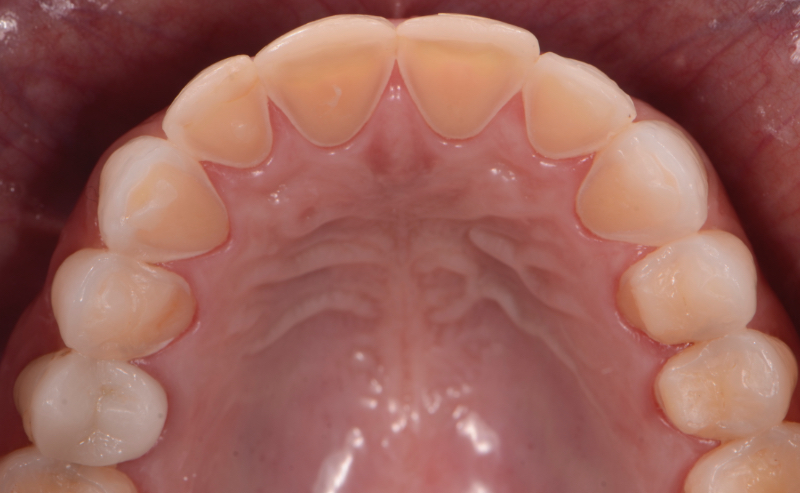
Research shows that enamel can begin to dissolve at a pH lower than 5.5. While this number may seem small, daily exposure to acidic foods and drinks can repeatedly drop your oral environment below this threshold, accelerating tooth erosion. Unlike cavities, which often result in localized pits, erosion tends to produce a smooth, polished appearance on teeth surfaces, sometimes making the teeth look smaller or translucent.
Causes of Tooth Erosion
Tooth erosion can stem from multiple factors, often overlapping. Extrinsic factors include dietary acids found in sodas, citrus, and vinegar-based foods. Intrinsic factors primarily involve conditions like acid reflux or frequent vomiting, where stomach acids come into contact with teeth.
Lifestyle habits can compound the risk. Frequent snacking on acidic foods, sipping carbonated beverages throughout the day, or brushing teeth immediately after acidic exposure can worsen enamel loss. Interestingly, studies suggest that people with naturally softer enamel are more prone to erosion even with moderate acid exposure, highlighting that genetic factors play a role as well.
Signs and Symptoms of Tooth Erosion
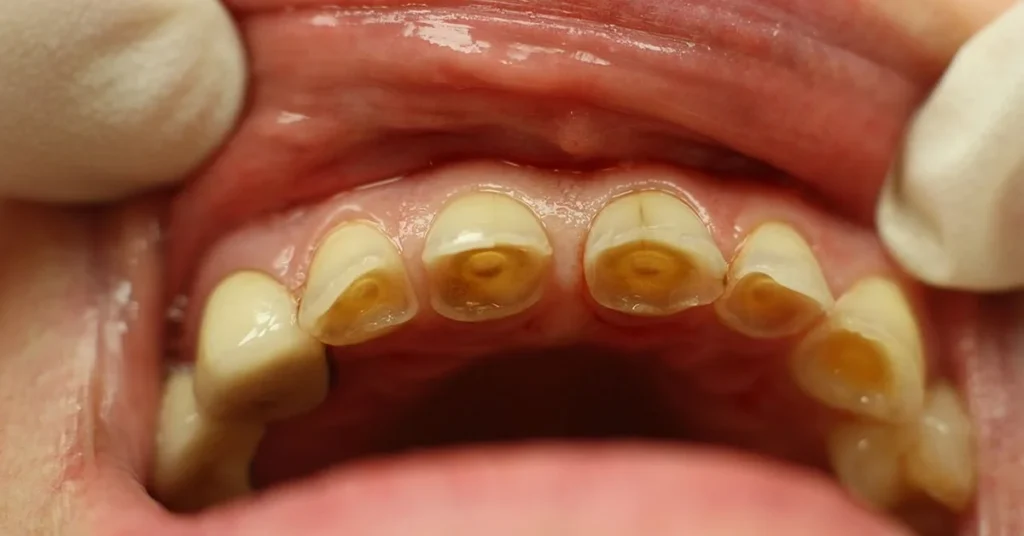
The earliest stages of tooth erosion are often subtle. Patients may notice increased tooth sensitivity to hot, cold, or sweet stimuli. Enamel thinning may reveal the yellowish dentin beneath, giving teeth a darker appearance. In advanced cases, the teeth may appear rounded, and edges can chip more easily.
Dental professionals often look for smooth, glossy surfaces in areas not typically subjected to wear. For example, erosion on the back surfaces of front teeth may indicate acid exposure from reflux rather than diet. Detecting erosion early is essential, as enamel does not regenerate naturally, making prevention the most effective approach.
Dietary Factors and Tooth Erosion
Tooth erosion is heavily influenced by what we eat and drink. Acidic foods and beverages, such as citrus fruits, tomatoes, sodas, energy drinks, and vinegar-based products, contribute significantly to enamel wear. Frequent consumption without proper oral care can accelerate the erosion process, gradually thinning enamel.
Interestingly, not all acids have the same effect. Citric acid tends to be more aggressive due to its ability to chelate calcium, weakening the enamel structure. Phosphoric acid, commonly found in soft drinks, also plays a significant role. Researchers have noted that sipping acidic drinks slowly over long periods increases the risk far more than consuming them quickly, because prolonged contact allows acids to interact with teeth continuously.
Lifestyle Habits That Promote Tooth Erosion
Beyond diet, lifestyle choices can exacerbate tooth erosion. Brushing immediately after consuming acidic foods or drinks can worsen enamel loss, as softened enamel is more prone to abrasion. Similarly, frequent snacking, especially on acidic or sugary items, keeps the mouth in a low pH environment, promoting progressive enamel breakdown.
Other lifestyle habits, such as chewing on hard candies or using teeth as tools, may not be acidic but can compound the effects of tooth erosion by mechanically stressing already weakened enamel. Researchers emphasize that enamel wear is often cumulative a combination of acid exposure and mechanical abrasion rather than caused by a single factor.
Medical Conditions and Tooth Erosion
Certain medical conditions can lead to significant tooth erosion. Gastroesophageal reflux disease (GERD), for instance, exposes teeth to stomach acids, often during sleep when saliva production decreases. Frequent vomiting, whether due to medical conditions or eating disorders, also introduces gastric acids into the oral cavity, dramatically increasing erosion risk.
Saliva plays a protective role by neutralizing acids and providing minerals for enamel repair. Individuals with dry mouth (xerostomia) are at higher risk because reduced saliva decreases this natural buffering capacity. Studies indicate that even minor reductions in saliva production can accelerate tooth erosion, especially in combination with acidic diets.
Detecting Tooth Erosion: Clinical and Home Indicators
Early detection of tooth erosion can prevent serious dental problems. Clinically, dentists look for smooth, glossy enamel surfaces, changes in tooth shape, and increased translucency near edges. Bite marks and surface indentations may indicate advanced wear.
At home, individuals may notice heightened sensitivity to temperature changes or sweet foods. Teeth may appear shorter or thinner, and fillings may seem more prominent as enamel wears away. Unlike cavities, which often produce sharp pain or local spots, erosion is gradual and often painless in its early stages, making self-awareness and regular dental check-ups vital.
Stages of Tooth Erosion
Tooth erosion progresses through identifiable stages. Initially, enamel softening occurs without visible changes. In the next stage, enamel thinning becomes noticeable, often accompanied by sensitivity. Advanced stages reveal dentin exposure, visible yellowing, and structural weakening.
Researchers categorize erosion into mild, moderate, and severe stages to guide clinical observation. Mild erosion may only be detected under magnification, while severe cases can cause changes in tooth shape and even impact chewing efficiency. Understanding these stages helps dental professionals and patients monitor progression and adapt preventive strategies.
Long-Term Implications of Tooth Erosion
If left unchecked, tooth erosion can lead to extensive dental complications. Beyond cosmetic changes, weakened enamel increases the likelihood of fractures, chips, and overall dental wear. Exposed dentin can heighten sensitivity, affecting daily comfort and eating habits.
Moreover, studies suggest that erosion can influence bite alignment over time. As enamel wears unevenly, teeth may shift slightly, leading to occlusion issues and potential jaw discomfort. Understanding these long-term implications underscores the importance of recognizing and addressing erosion early even though enamel cannot regenerate naturally.
Preventive Measures for Tooth Erosion
Tooth erosion may be inevitable to some degree, but its progression can be slowed with careful habits. One key factor is timing: avoiding brushing immediately after consuming acidic foods or drinks prevents further enamel wear. Saliva naturally neutralizes acids, so waiting at least 30–60 minutes allows enamel to harden again.
Additionally, rinsing with water or a fluoride-containing mouthwash after acidic exposure helps reduce the acid’s impact. Fluoride strengthens enamel by promoting remineralization, making teeth more resistant to tooth erosion. Using straws for acidic beverages also limits direct contact with teeth, minimizing risk.
Role of Saliva and Oral Environment
Saliva plays an indispensable role in protecting against tooth erosion. It acts as a buffer, neutralizing acids and supplying essential minerals such as calcium and phosphate. Reduced saliva flow, whether due to dehydration, certain medications, or medical conditions, can accelerate enamel loss.
Chewing sugar-free gum can stimulate saliva production, providing a natural defense mechanism. Researchers have noted that even small increases in saliva flow can significantly reduce acid exposure time on enamel surfaces. Maintaining an optimal oral environment is therefore a critical, yet often overlooked, factor in managing tooth erosion.
Modern Research Insights on Tooth Erosion
Recent studies on tooth erosion have revealed fascinating connections between diet, genetics, and enamel resilience. For instance, genetic variations in enamel hardness may explain why some individuals experience rapid erosion despite moderate acid exposure, while others maintain strong teeth even with high acid intake.
Moreover, longitudinal studies indicate that early-life dietary habits strongly influence erosion risk in adulthood. Children consuming acidic beverages frequently show measurable enamel thinning by adolescence. These insights emphasize that erosion prevention is a lifelong consideration rather than a short-term concern.
Misconceptions About Tooth Erosion
There are several common misconceptions regarding tooth erosion. One is that brushing more aggressively will protect teeth; in reality, harsh brushing on softened enamel accelerates wear. Another is assuming only sugary foods cause enamel loss, whereas acidity alone regardless of sugar content can erode teeth.
Understanding these myths is essential for informed oral care. Dental experts highlight that subtle changes in diet and habits can be far more effective than extreme measures. For example, spacing out acidic food intake and using protective oral hygiene products can significantly reduce erosion risk.
Tooth Erosion and Cosmetic Concerns
While often considered a functional issue, tooth erosion also has aesthetic implications. Thinning enamel can reveal dentin, giving teeth a yellowish hue. Changes in shape or translucency may affect the smile’s appearance, sometimes prompting cosmetic dental interventions.
Interestingly, erosion does not always follow a symmetrical pattern, leading to uneven wear across teeth. This asymmetry can subtly alter bite alignment and facial aesthetics over time. Recognizing the cosmetic aspect alongside functional risks underscores why early detection and monitoring are so important.
Future Directions in Tooth Erosion Research
Scientific interest in tooth erosion continues to expand, with researchers exploring novel materials and treatments to protect enamel. For example, biomimetic approaches aim to reinforce enamel structure using mineral-based compounds, while dietary studies focus on identifying foods that can naturally buffer oral acids.
Technological advances in imaging and diagnostics now allow dentists to detect enamel softening at microscopic levels, long before visible signs appear. These innovations promise earlier intervention and better long-term outcomes, transforming how tooth erosion is managed in clinical practice.
Understanding the Bigger Picture of Tooth Erosion
Tooth erosion is a complex, multifactorial process influenced by diet, lifestyle, genetics, and medical conditions. While subtle in early stages, it can progressively weaken teeth, affect aesthetics, and alter oral function. Understanding the causes, recognizing early signs, and adopting preventive strategies are essential for preserving enamel health.
By considering the latest research, monitoring dietary habits, and maintaining a protective oral environment, individuals can reduce the impact of tooth erosion and enjoy stronger, healthier teeth over a lifetime. Even though enamel cannot regenerate naturally, informed choices and preventive measures make a tangible difference.

 Dijital Performans Ajansı.