

Millions suffer from Bruxism (Teeth Grinding) without knowing it. This involuntary clenching and grinding can wear down teeth, cause jaw pain, and trigger headaches. Discover the causes, symptoms, and effective solutions like bruxism mouth guards and dental guard bruxism to protect your smile.
What is Bruxism? Understanding Teeth Grinding
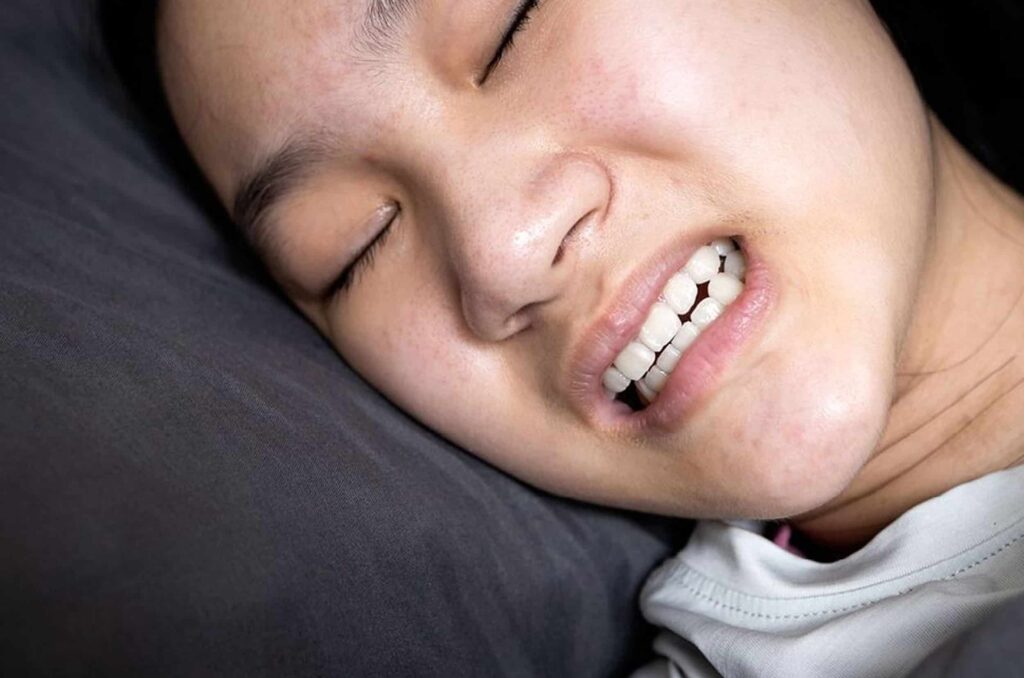
Bruxism is defined as the repetitive, unconscious clenching or grinding of teeth. This phenomenon can occur during waking hours (awake bruxism) or while sleeping (sleep bruxism). Individuals with bruxism teeth issues may experience mild to severe enamel wear, jaw discomfort, or even headaches.
Interestingly, bruxism in infants is not uncommon and usually does not indicate any underlying dental problem. However, persistent grinding in adults can lead to more serious complications if not addressed promptly.
A critical component in managing bruxism is recognizing it early. Many patients only realize they have teeth grinding when they experience jaw pain or their dentist notices wear on the teeth. Modern solutions such as mouthpiece for bruxism, teeth guard for bruxism, and bruxism mouthguards can significantly reduce damage.
Symptoms and Causes of Bruxism
Bruxism Symptoms
Recognizing bruxism symptoms early can prevent long-term dental damage. Common signs include:
- Worn or flattened teeth
- Increased tooth sensitivity
- Jaw soreness or tightness
- Frequent headaches
- Earache or tinnitus-like sensations
In addition, some patients report how to stop bruxism as a daily struggle, especially when awake bruxism is involved. Proper evaluation by a dental professional can guide the best treatment options.
Types of Bruxism
There are two primary forms of bruxism:
- Sleep Bruxism: Occurs during sleep, often unnoticed by the individual. This type may cause morning jaw pain or headaches.
- Awake Bruxism: Happens during the day, frequently associated with stress or concentration.
Both types can be managed effectively with behavioral strategies, stress management, and protective devices like bruxism mouth guards.
Bruxism Causes and Risk Factors
Understanding what causes bruxism is essential for effective prevention. Some well-established triggers include:
- Stress and anxiety
- Sleep disorders, such as sleep apnea
- Certain medications, including antidepressants (patients often ask: does bruxism from SSRI go away?)
- Misaligned teeth or dental restorations
- Lifestyle factors like smoking or excessive caffeine
Risk factors amplify the likelihood of developing teeth grinding, including:
- Family history of bruxism
- Age (most common in children, often outgrown)
- Personality traits, such as aggressiveness or hyperactivity
Recognizing these factors helps in deciding whether interventions like dental guard bruxism or mouthpiece for bruxism are necessary.
Complications of Bruxism
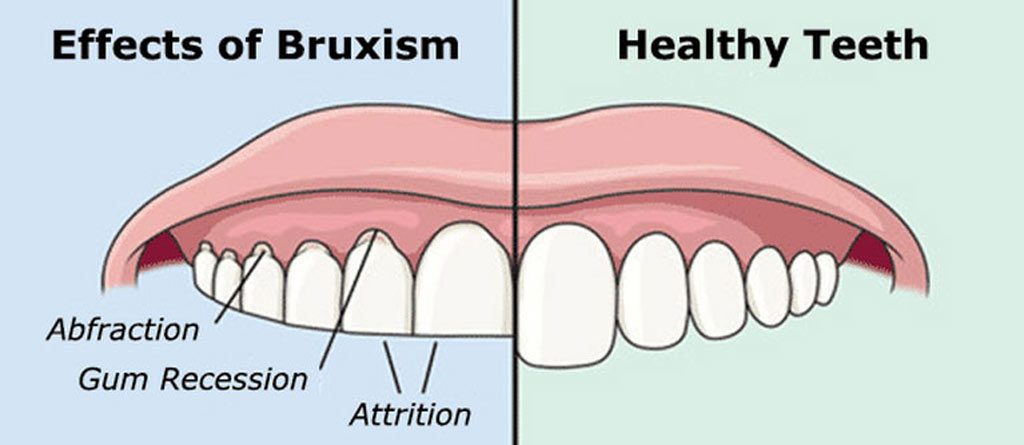
If left unmanaged, bruxism teeth issues can lead to multiple dental and health problems. Common complications include:
- Tooth damage: Cracks, chips, or excessive wear of enamel
- Jaw disorders: Temporomandibular joint (TMJ) pain and dysfunction
- Headaches: Many patients ask, can bruxism cause headaches? The answer is yes, often due to prolonged jaw muscle strain
- Toothache: Another frequent concern can bruxism cause toothache? is also linked to enamel wear and nerve irritation
- Sleep disruption: Sleep bruxism can disturb both the patient and their partner
Early intervention can prevent severe outcomes. Solutions like bruxism mouthguards and dental guard bruxism can minimize wear and relieve pain.
Diagnosis and Tests for Bruxism
Proper diagnosis is crucial for managing bruxism effectively. Dentists and doctors may employ:
- Physical examination: Checking for tooth wear, jaw tenderness, or muscle hypertrophy
- Dental history review: Identifying patterns of teeth grinding or prior dental damage
- Sleep studies: In cases of suspected sleep bruxism, overnight monitoring can reveal the frequency and severity
- Questionnaires and patient reports: Observing symptoms like headaches, jaw discomfort, or how to stop bruxism during the day
Accurate diagnosis ensures personalized care and the selection of devices such as a mouthpiece for bruxism or a teeth guard for bruxism.
Management and Treatment of Bruxism
How is Bruxism Treated?
Bruxism treatment focuses on reducing symptoms and preventing further damage. Typical strategies include:
- Protective dental devices:
- Bruxism mouthguards and dental guard bruxism devices cushion the teeth during grinding
- Custom-fitted mouthpiece for bruxism or teeth guard for bruxism from your dentist ensures optimal comfort and effectiveness
- Bruxism mouthguards and dental guard bruxism devices cushion the teeth during grinding
- Behavioral approaches:
- Stress management techniques for awake bruxism
- Awareness training to reduce daytime clenching
- Stress management techniques for awake bruxism
- Medical interventions:
- Muscle relaxants or medications in select cases
- Addressing underlying conditions like sleep apnea
- Muscle relaxants or medications in select cases
Patients often share experiences like how I cured my bruxism, highlighting a combination of behavioral changes and bruxism mouthguards as a successful approach.
Prognosis for Bruxism
The prognosis for people with bruxism is generally positive, especially with timely intervention. Early use of protective devices, lifestyle adjustments, and regular dental check-ups can prevent severe complications.
What’s the outlook for people who grind their teeth? While some may experience persistent mild symptoms, most see significant improvement with consistent management. Preventative measures, including how to prevent bruxism, remain crucial for long-term dental health.
Can Bruxism Be Prevented?
Preventing bruxism involves a combination of lifestyle habits, dental care, and stress management. Key strategies include:
- Use of protective devices: Regular use of bruxism mouthguards or a teeth guard for bruxism can shield enamel from wear. DentRoute offers high-quality options for dental guard bruxism that are custom-fitted to your teeth.
- Stress reduction: Techniques such as meditation, yoga, or mindfulness can reduce daytime clenching.
- Sleep hygiene: Establishing consistent sleep schedules and addressing sleep disorders can lower sleep bruxism frequency.
- Avoid stimulants: Excess caffeine, alcohol, and nicotine may aggravate teeth grinding.
By proactively managing triggers, patients can significantly reduce the risk of complications and maintain healthy bruxism teeth.
Living With Bruxism
Living with bruxism requires awareness and adaptation. Here’s how to handle it daily:
- Monitor symptoms: Track jaw tension, headaches, or bruxism symptoms to share with your dentist.
- Daily exercises: Gentle jaw stretching and relaxation can reduce muscle strain.
- Regular dental visits: Dentists can check for wear and adjust mouthpiece for bruxism or bruxism mouthguards as needed.
If you’re curious about enhancing your smile while protecting your teeth, you might explore smile makeover options. Additionally, dental restorations like zirconium crown can repair damaged teeth while complementing your treatment plan.
For more guidance, you can always contact DentRoute professionals who specialize in bruxism management.
When Should You See Your Healthcare Provider?
It’s time to consult a professional if you notice:
- Persistent teeth grinding causing pain or enamel wear
- Frequent headaches or jaw discomfort
- Damage to dental restorations like crowns or veneers
- Concerns about bruxism in infants or unusual dental behaviors
Early intervention is key. DentRoute can help with tailored bruxism treatment plans and solutions such as bruxism mouthguards to protect your teeth. Remember, consistent monitoring and preventive care improve long-term outcomes.
Integrating Preventive and Corrective Care
To summarize, managing bruxism effectively combines:
- Preventive measures: Lifestyle changes, stress management, and protective devices.
- Corrective treatments: Dental restorations like zirconium crown or a smile makeover to repair teeth damaged by grinding.
- Professional monitoring: Regular visits to dental experts, guidance on how to stop bruxism during the day, and adjustment of dental guard bruxism devices.
For personalized advice and ongoing support, you can always contact DentRoute specialists.
Bruxism (Teeth Grinding) is a common yet often overlooked condition that can affect dental health, sleep quality, and overall well-being. By understanding what is bruxism, recognizing bruxism symptoms, and implementing solutions like bruxism mouthguards or mouthpiece for bruxism, individuals can prevent complications and protect their smiles. With a combination of preventive strategies, proper treatment, and professional guidance, living with bruxism can be manageable, and dental health can be preserved long-term.

 Digital Performance Agency.